 LNEYA Industrial Chillers Manufacturer Supplier


What is a Plastic Chiller and What is it Used For
In a plastics shop, machines run hot. Molds creep up in degrees. Parts come out soft and need more time in the fixture. A plastic chiller solves those problems. It gives the line a steady temperature that operators and quality engineers can trust.
This piece walks through what a plastic chiller is, how it works, where it helps most, and how to pick one that actually works for your process.
What is a Plastic Chiller
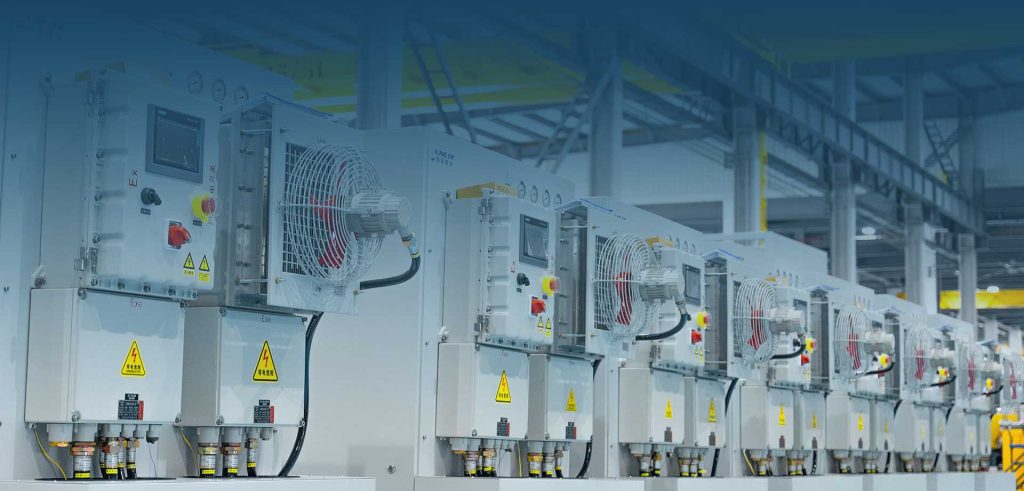
A plastic chiller is a refrigeration unit built to control the temperature of water or glycol used in plastic processing. It feeds chilled fluid into mold cooling channels, extruder barrels, hot runner manifolds, and sometimes into oil coolers for hydraulics. The design focuses on steady delivery, fast response, and rugged duty cycles.
You will find models meant for light shop use and heavy units that run 24/7 in a production cell. The difference from a general process chiller shows up in control precision and plumbing options. A plastic chiller will keep supply temperature within a tight band so parts behave the same shot after shot.

How a Plastic Chiller Works
Warm process water returns from the machine to the chiller. Inside the chiller a refrigeration loop strips heat from that water. The chilled water returns to the mold and pulls more heat out. The cycle repeats.
Mechanical parts include an evaporator, compressor, condenser and a pump for the water loop. Modern controllers read supply and return temperatures and adjust compressor speed or staging. The operator sets the target temperature based on resin and process.
In practice the system must respond when the line steps up output or when ambient conditions change. That responsiveness is what separates a chiller that merely cools from one that stabilizes production.
What is a Plastic Chiller Used For
Keeping Mold Temperatures Stable
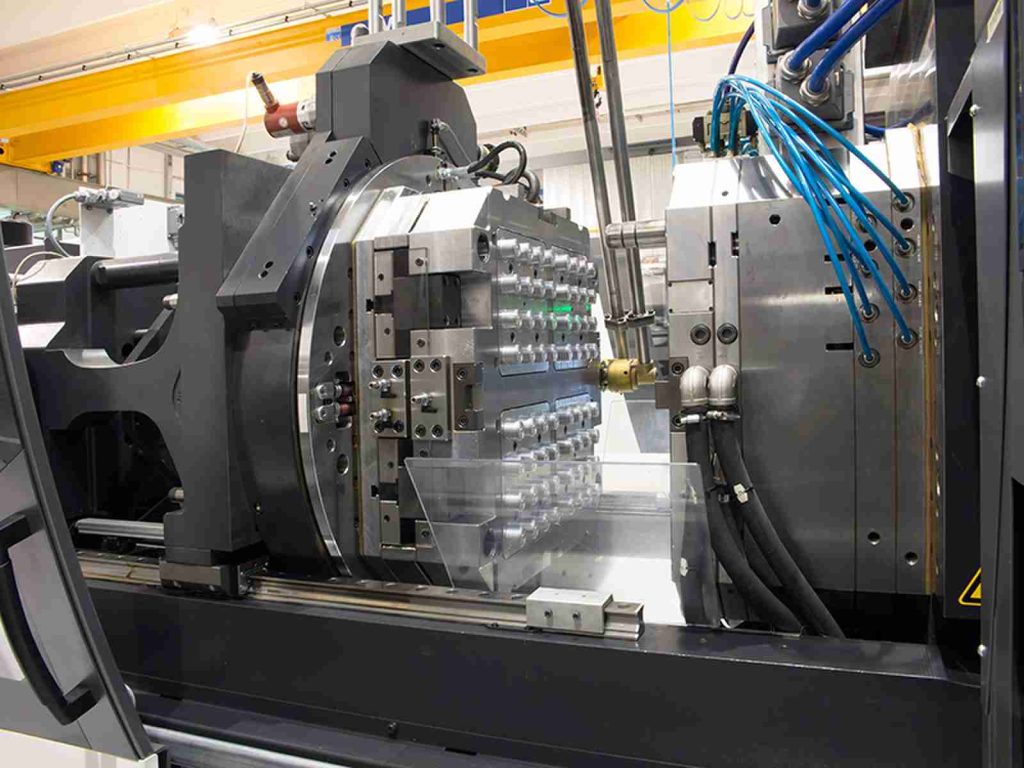
Mold temperature drives part quality. If the mold creeps up a few degrees you can see sink marks, gloss changes, and dimensional shifts. A chiller holds the coolant at a fixed set point and keeps that set point steady during a long run.
In many shops our expert recommend checking supply temperature at the mold face. If the supply swings more than one to two degrees you will chase quality issues. The chiller makes the mold a known quantity so tooling engineers can tune gates and cooling channels.
Ensuring Product Precision
When parts must meet tight tolerances the cooling rate matters. Extruded profiles need consistent cooling to avoid warpage along the length. Thin walled medical components can over cool and warp if the coolant is not controlled.
A plastic chiller helps maintain the same solidification profile each cycle. That consistency reduces rework. It also makes dimensional capability predictable when you change materials or colorants.
Quick Cooling and Part Setting
Cycle time is a direct production cost. Faster cooling without compromising the part surface or structure moves parts faster off the tool.
A chiller with enough capacity will return the coolant to set point quickly after a high heat shot. That shortens dwell time in the mold and opens the clamp sooner. Over thousands of cycles this saves real time on the line and lowers per part cost.
Cooling Shredders and Extruders in Recycling
Recycling lines run hot because of friction and shear. Shredders, extruders and pelletizers throw off heat that can damage screws and bearings. A chiller keeps roll barrels and downstream equipment within safe temperatures and reduces polymer degradation. For recyclers that want stable melt quality and long screw life a robust chiller is an investment that pays off in uptime.
How to Choose the Right Plastic Chiller
Choosing a chiller in the real world starts with the process heat load. Know the heat you need to remove. If you do not have kW or BTU numbers, measure the temperature rise and flow in the circuit while running a typical part. That gives a practical load number you can use for sizing.
Next decide between air cooled and water cooled. Air cooled units install fast and do not need a tower. Water cooled units run quieter and handle higher loads more efficiently when a tower is available.
Pick a unit with precise control that can hold temperature within one to two degrees under load. Look for models with variable speed compressors or staged control to match cooling to process changes.
Check pump capacity and plumbing options because flow and pressure loss in long mold circuits matter more than nameplate tons.
Reliability beats bargain price. Buy a unit with field service support and spare parts that are easy to get.
Finally plan preventive maintenance. Clean condensers, check refrigerant charge, and inspect seals. Proper maintenance keeps your chiller ready when the line needs it most.
Conclusion
A plastic chiller is small compared to a production cell yet it has outsized impact. It tames the thermal side of molding and extrusion so tool makers and operators can do their jobs.
Looking for a suitable cooling system for your plastic workshop? Perhaps you need a reliable plastic chiller. LNEYA is always ready to provide you with customized technical support and detailed quotations.

Recent Blogs
- Chiller Components and Refrigeration Fundamentals Guides
- Chiller Types and Selection Guides
- How Does a Peltier Cooler Work
- Peltier Chiller vs. Compressor Chiller
- What Is a Peltier Chiller
- OEM vs Aftermarket Chiller Spare Parts
- Chiller Surge
- Chiller Cooling Capacity Units
Catalog
- December 2025
- November 2025
- October 2025
- September 2025
- August 2025
- July 2025
- June 2025
- May 2025
- March 2025
- February 2025
- January 2025
- December 2024
- November 2024
- October 2024
- September 2024
- August 2024
- July 2024
- June 2024
- May 2024
- April 2024
- March 2024
- February 2024
- September 2023
- July 2023
- June 2023
- May 2023
- January 2023
Tag
air cooled chiller chiller Chiller Installation Chiller Maintenance chiller refrigerant chillers Cold Assembly Freezer cooling chiller cooling heating system cooling system dynamic temperature control system energy efficient chiller explosion-proof chiller freezer heating circulator industrial chiller industrial chillers industrial cooling industrial freezer industrial refrigerator jacket reactor laboratory chiller low temperature chiller news oil chiller process chiller process cooling reactor chiller reactor cooling reactor cooling heating reactor heating cooling refrigerated circulator screw chiller semiconductor chiller semiconductor test chiller sundi tcu temperature control test chamber thermostat ultra low temperature chiller vehicle test chiller water chiller water cooled chiller
Contact Us
Related Chillers


CONTACT US
TEL:
EMAIL:
WeChat & WhatsApp:

Wechat QR

Have a question or need a quote? Fill out the form below, and our team will get back to you within 24 hours.

