LNEYA Industrial Chillers Manufacturer Supplier


Chiller Components & Refrigeration Fundamentals Guides
Understanding chiller components and refrigeration fundamentals is the key to selecting, operating, and troubleshooting industrial cooling systems.
This guide brings together the most important concepts and core devices inside a chiller, giving you a clear knowledge base. Tap the cards below to explore each topic. Hope these guides help!
1. Fundamentals of Refrigeration and Heat Transfer
Industrial chillers rely on thermodynamics and heat transfer principles to move heat from a process load to the environment.
Before learning the components, it is helpful to understand how heat flows and how temperature differences impact system performance.
Heat Transfer in a Chiller System
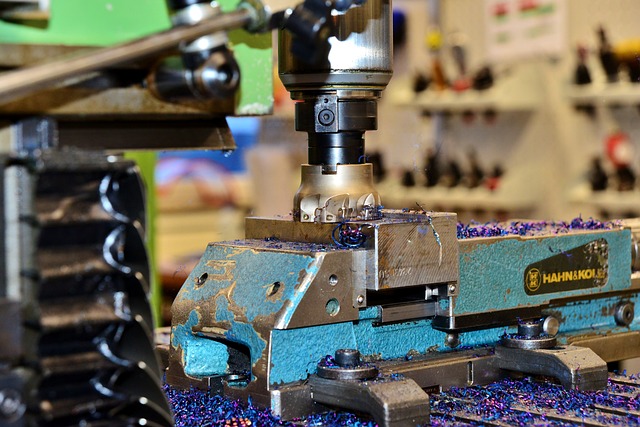
What Is Delta-T
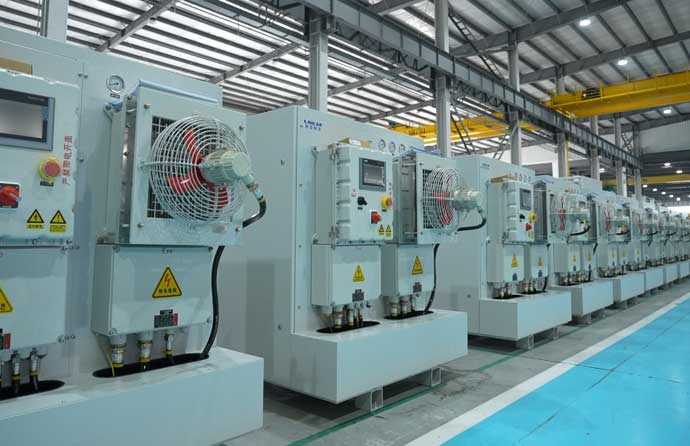
What Is Superheat
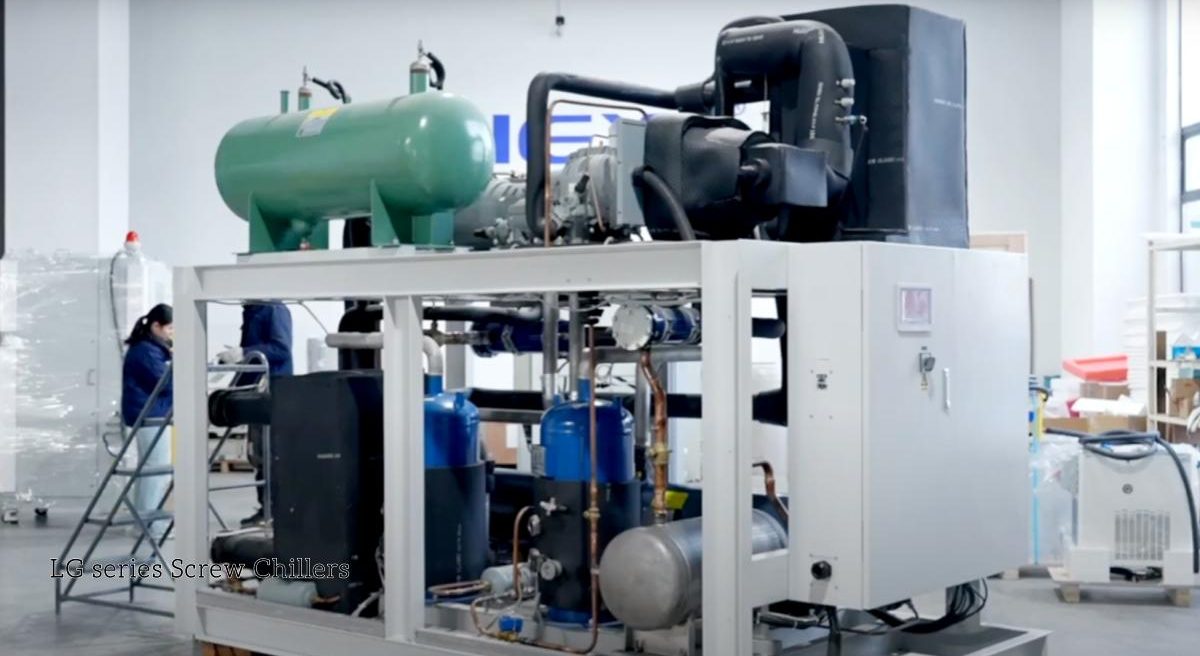
2.Core Components of a Chiller System
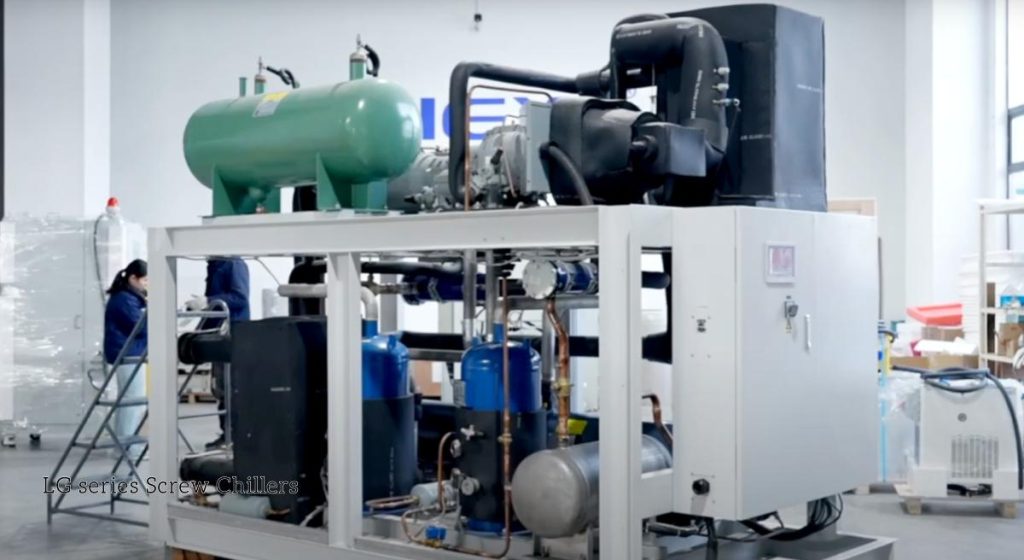
These components form the backbone of vapor compression cooling. Each part performs a specific function that directly affects capacity, stability, and energy efficiency.
Chiller Expansion Valve
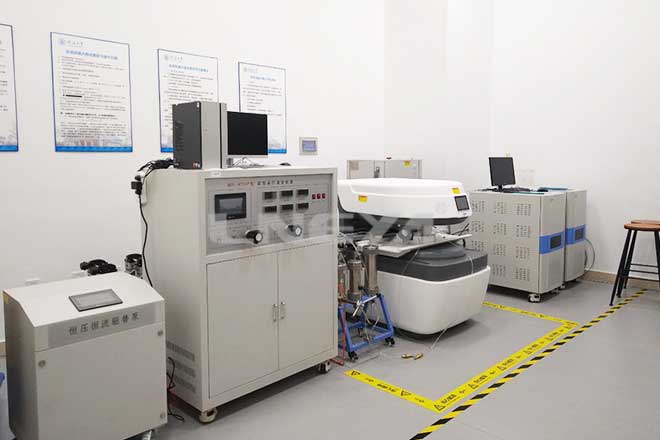
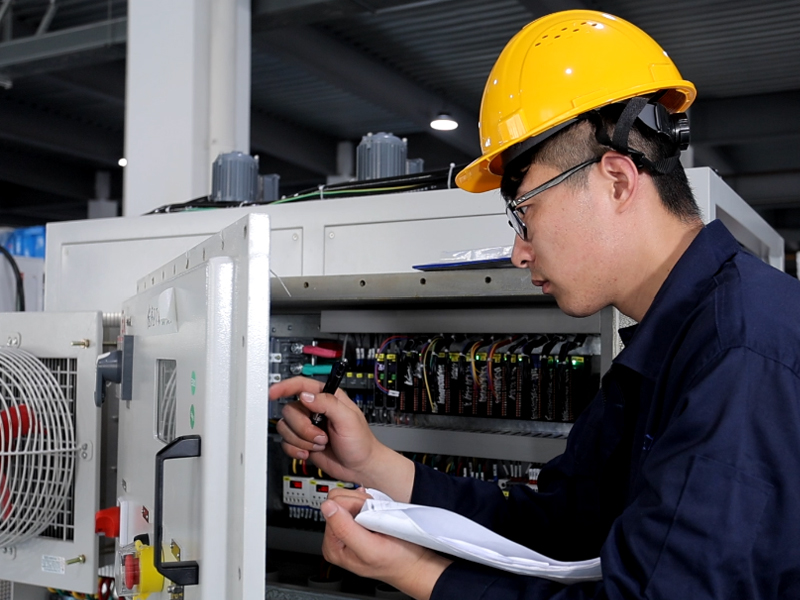
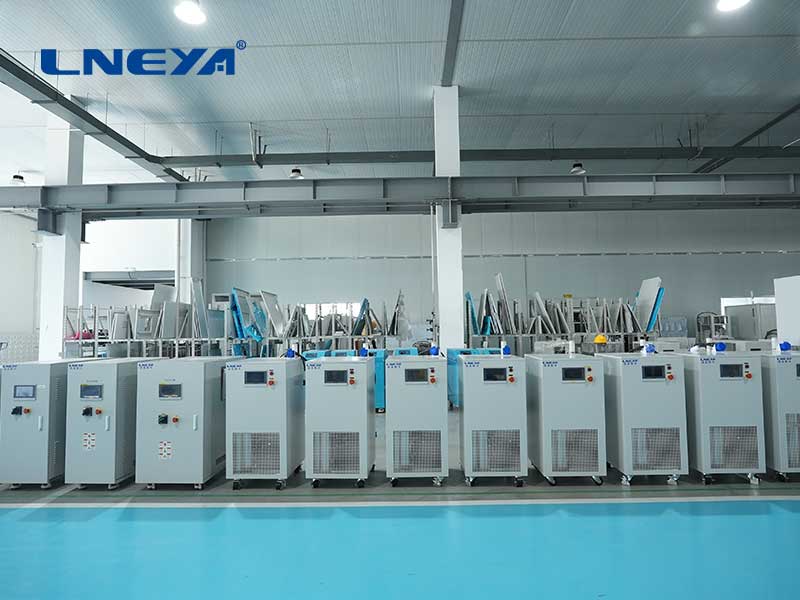
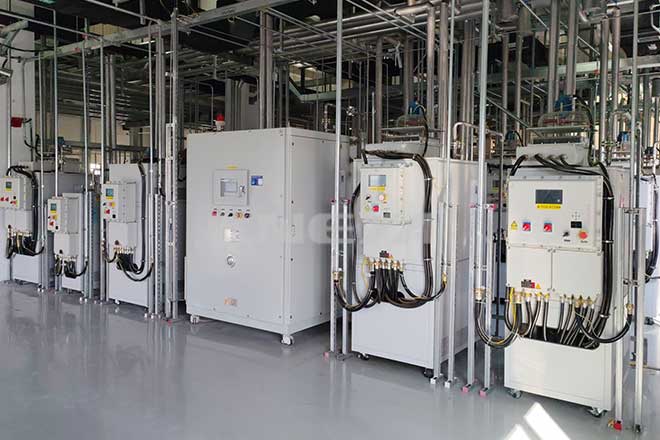
Water-Cooled Condensers
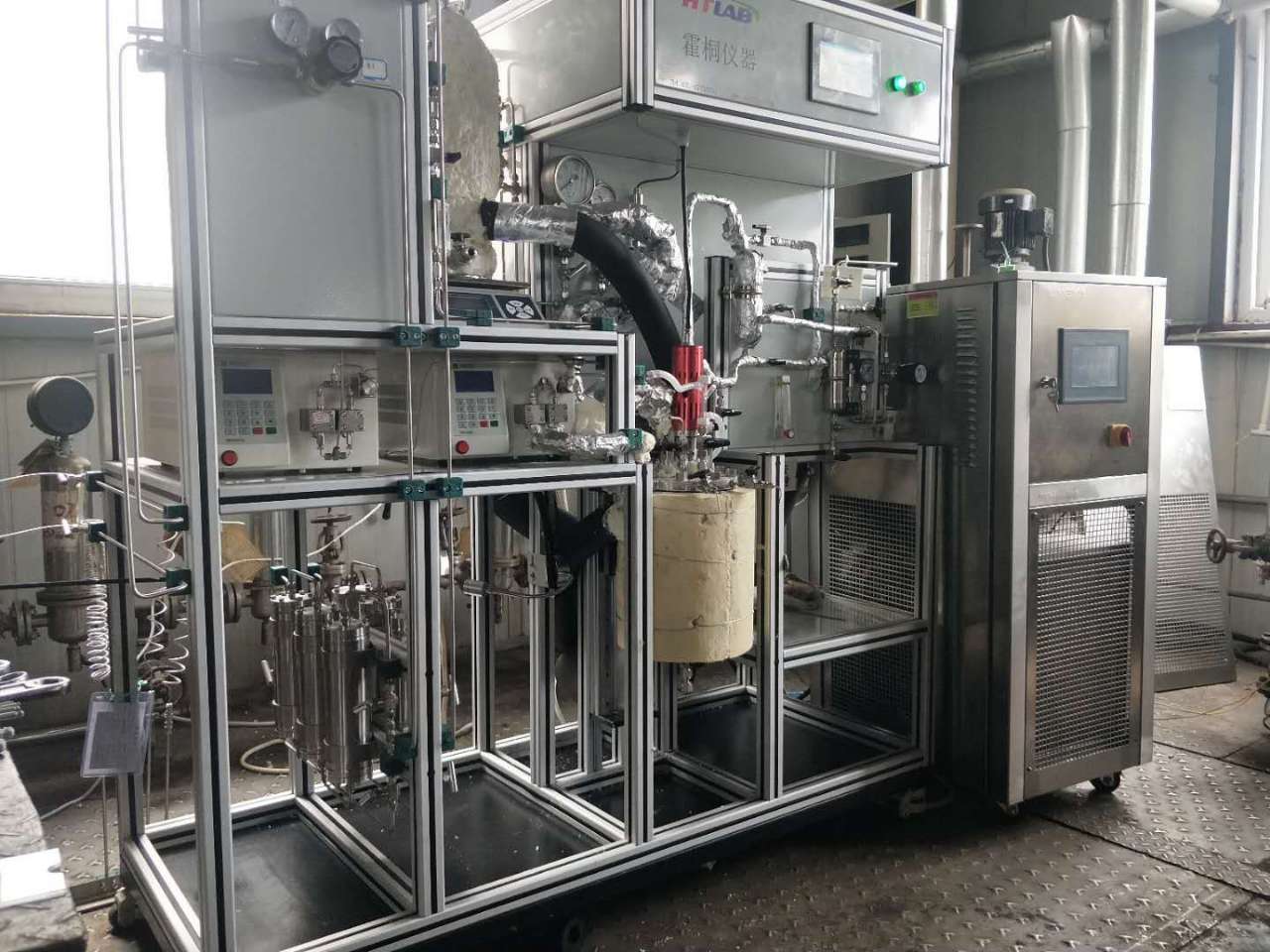

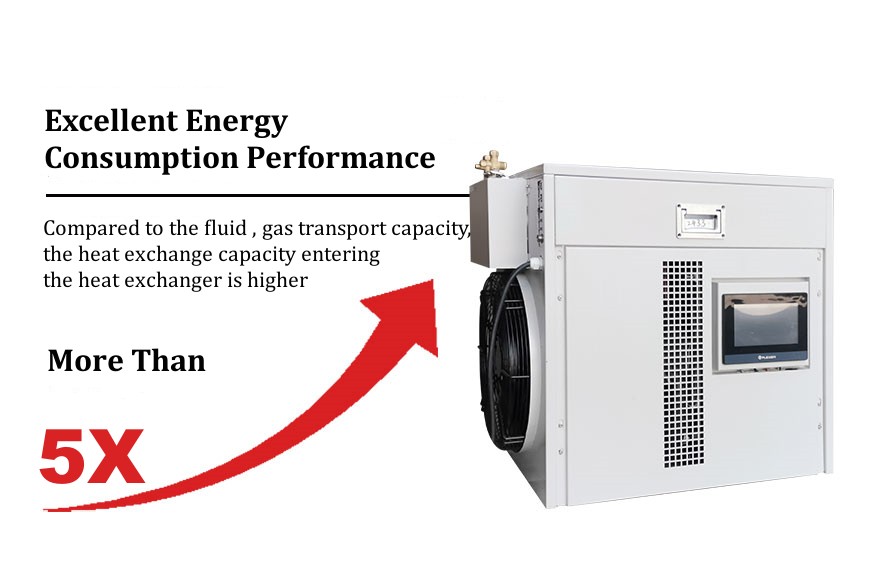
Microchannel Heat Exchanger
3. Refrigerants and Coolants Explained
Choosing the right refrigerant and coolant affects cooling performance, environmental impact, safety, and long-term operating cost.
Refrigerant & Coolant
R404A vs R134A
Can Refrigerants Be Mixed

Process Fluid

Low GWP Refrigerants

Choose Right Refrigerant
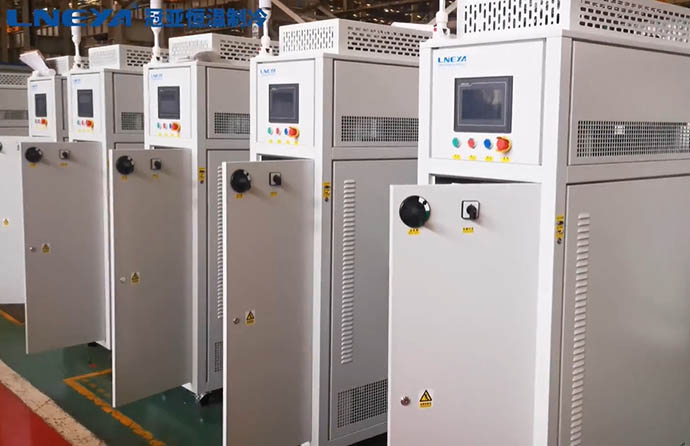
4. Chiller Controls and Performance Parameters
The control system ensures precise temperature regulation and safe operation. Specifications help users evaluate whether a chiller meets their process requirements.
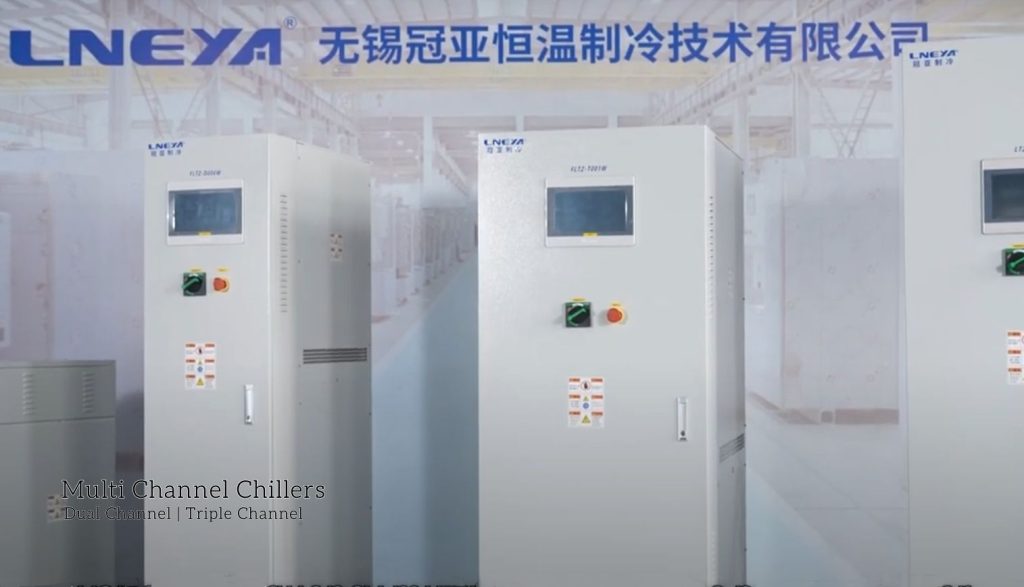
Chiller Control Panel Functions
Need help choosing the right chiller?
With this complete collection of chiller component and refrigeration fundamentals, you now have a clear, structured knowledge map from refrigerants to heat exchangers and system operation. Keep exploring the guides above or reach out to our team for expert advice tailored to your cooling process.