 LNEYA Industrial Chillers Manufacturer Supplier


What is a Mini Chiller
A mini chiller gives steady cooling without the footprint of a full size system. This article explains what a mini chiller does and why you might pick one for your setup.
What is a Mini Chiller
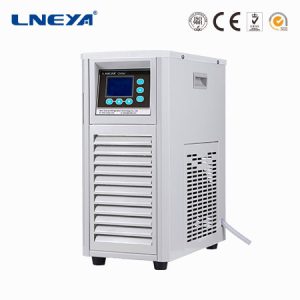
A mini chiller is a compact cooling unit that removes heat from a process fluid. The fluid is usually water or a water glycol mix. The chiller cools that fluid and then the fluid carries heat away from your tool or test rig.
Mini chillers come in many shapes. Some units sit under a bench. Some are portable on casters. Cooling capacity often ranges from about 0.5 to 10 kilowatts. Temperature control can be tight. Many units keep a set point within ± 0.1℃.
You might see the same item called a small industrial chiller or a benchtop chiller. Some vendors call it a compact cooling system or a portable chiller. The function is the same. It gives local cooling with minimal plumbing and fast startup.
How Does a Mini Chiller Work
A mini chiller uses a refrigeration cycle to move that heat out of your process fluid. Here is how it runs in practice.The compressor pressurizes the refrigerant. Pressure makes the refrigerant hot. The hot gas heads to the condenser.
In an air cooled unit the condenser sheds heat to the room air. In a water cooled unit the condenser gives heat to a cooling water loop. The refrigerant turns from gas to liquid as it cools.
The liquid passes an expansion device where pressure drops. The refrigerant chills. It then flows through the evaporator and picks up heat from the process fluid. The warmed refrigerant returns to the compressor and the loop continues.
What Are the Advantages of a Mini Chiller
• Space and placement
A mini chiller fits where a large chiller cannot. You can tuck it under a bench or place it beside a machine. That reduces piping length and reduces heat spread in the room.
• Installation and maintenance
Most mini chillers are plug and play. You connect supply and return hoses add power and set the temperature. Maintenance is straightforward. Clean the condenser coil monthly in dusty environments. Replace the filter drier every one to two years depending on run hours. Check pump bearings and belt or coupling once a season.
• Noise and vibration
Good compact designs run quietly. Typical sound levels often sit between 45 and 65 decibels at one meter. Some models add vibration mounts to protect sensitive benches and optics tables.
• Cost and flexibility
Initial cost is lower than a large chiller and you do not need centralized piping or tower infrastructure. If a test cell moves you can move the small chiller with it.
What is a Mini Chiller Used for
• Lab and research
Analytical instruments and reaction baths need steady temperatures. A benchtop chiller keeps those instruments stable. Labs use them on rotary evaporators spectrometers and small reaction blocks.
• Medical equipment
Imaging systems and laser medical devices run hot. A compact cooling system can sit near the device and keep temperature stable without taking up a machine room.
• Semiconductor and electronics
Test jigs and small wafer process modules need tight temperature control. Mini chillers work well for probe stations and small scale wafer handlers because they limit thermal drift.
• Laser and optics
Laser heads and beam delivery optics degrade when they heat up. A local mini chiller removes that heat and preserves beam quality. That extends laser life and reduces downtime.
• Small industrial and pilot plants
If you run a pilot reactor or a small coating line a portable chiller gives flexibility. You can cool condensers and chill jackets without committing to a plant wide system.
Conclusion
LNEYA offers a variety of small desktop chillers with different performances, which provide higher flexibility while ensuring excellent cooling performance. Contact our chiller team to obtain product samples or detailed quotes.

Recent Blogs
- What Does a 200 Ton Chiller Cost
- Temperature Control in Photolithography
- Is a Used Chiller a Good Idea
- Chiller Components and Refrigeration Fundamentals Guides
- Chiller Types and Selection Guides
- How Does a Peltier Cooler Work
- Peltier Chiller vs. Compressor Chiller
- What Is a Peltier Chiller
Catalog
- December 2025
- November 2025
- October 2025
- September 2025
- August 2025
- July 2025
- June 2025
- May 2025
- March 2025
- February 2025
- January 2025
- December 2024
- November 2024
- October 2024
- September 2024
- August 2024
- July 2024
- June 2024
- May 2024
- April 2024
- March 2024
- February 2024
- September 2023
- July 2023
- June 2023
- May 2023
- January 2023
Tag
air cooled chiller chiller Chiller Maintenance chillers Cold Assembly Freezer cooling chiller dynamic temperature control system energy efficient chiller heating circulator industrial chiller industrial chillers industrial cooling industrial freezer industrial refrigerator jacket reactor laboratory chiller low temperature chiller news process chiller process cooling reactor cooling reactor heating cooling refrigerated circulator screw chiller semiconductor chiller semiconductor test chiller sundi tcu temperature control test chamber thermostat ultra low temperature chiller vehicle test chiller water chiller water cooled chiller
Contact Us
Related Chillers


CONTACT US
TEL:
EMAIL:
WeChat & WhatsApp:

Wechat QR

Have a question or need a quote? Fill out the form below, and our team will get back to you within 24 hours.

