 LNEYA Industrial Chillers Manufacturer Supplier


What is a Chiller in HVAC & How Does it Work
A chiller is a machine that removes heat from water and sends chilled water out into equipment, process or a building. In HVAC system, the chilled water flows through coils in air handling units and fan coil units. Air moves over those coils and drops in temperature. The warmer water returns to the chiller and the cycle repeats.
People sometimes confuse chillers with air conditioners. Both are used for cooing but they work differently. An air conditioner cools air directly. A chiller cools water that then cools air. That extra step gives flexibility.
One chiller can feed many zones. It can handle larger loads and link to process equipment. That is why chillers dominate in commercial and industrial HVAC.

How Does a Chiller in HVAC Work
The Refrigeration Cycle of a Chiller
• evaporator
At the heart of a mechanical chiller is a refrigeration cycle. It has four main stages that repeat continuously. First is the evaporator. Warm water from the building passes through a coil in the evaporator. The refrigerant inside the coil absorbs heat and boils into a vapor. That process cools the water.
• compressor
Next the compressor pulls in that vapor and raises its pressure and temperature. Compressors come in different types. You will see scroll, screw, and centrifugal compressors in real systems. Each has different part load behavior and maintenance needs.
• condenser
After compression the refrigerant flows to the condenser. The condenser rejects heat to the outside environment. In an air cooled unit fans move ambient air across the condenser coils. In a water cooled unit condenser water carries heat to a cooling tower. Once the refrigerant sheds heat it condenses back into a liquid.
• expansion device
The last stage is the expansion device. This device lowers refrigerant pressure. The cooler, low pressure liquid returns to the evaporator to start the cycle again.
How the Chiller Integrates with HVAC Systems
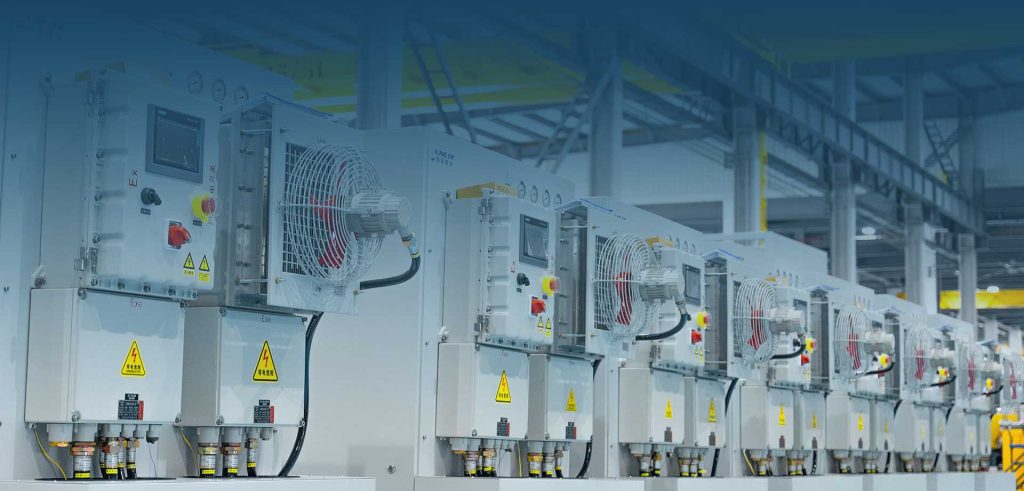
The chiller plugs into a chilled water loop and a plant room landscape. Pumps move chilled water from the chiller to air handling units and fan coils. Valves and thermostats control where that cold water goes and how much flow each zone gets.
In larger plants you will find primary secondary pumping. This separates chiller flow from distribution flow. The result is stable chiller operation and better control during varying loads. In smaller systems a single pump loop can work well and keep costs down.
Controllers tie the chiller into the building automation system. Setpoint resets, lead lag sequencing, and fault detection help the plant respond to changing loads. For example lowering chilled water temperature during shoulder seasons can save energy while keeping comfort steady.
Integration also includes maintenance realities. Water quality matters. Scale and corrosion cut heat transfer and raise power use. Cooling towers for water cooled chillers need regular treatment and inspection. Air cooled chillers need clear airflow and seasonal fan checks.
Types of Chillers in HVAC
Air cooled chillers
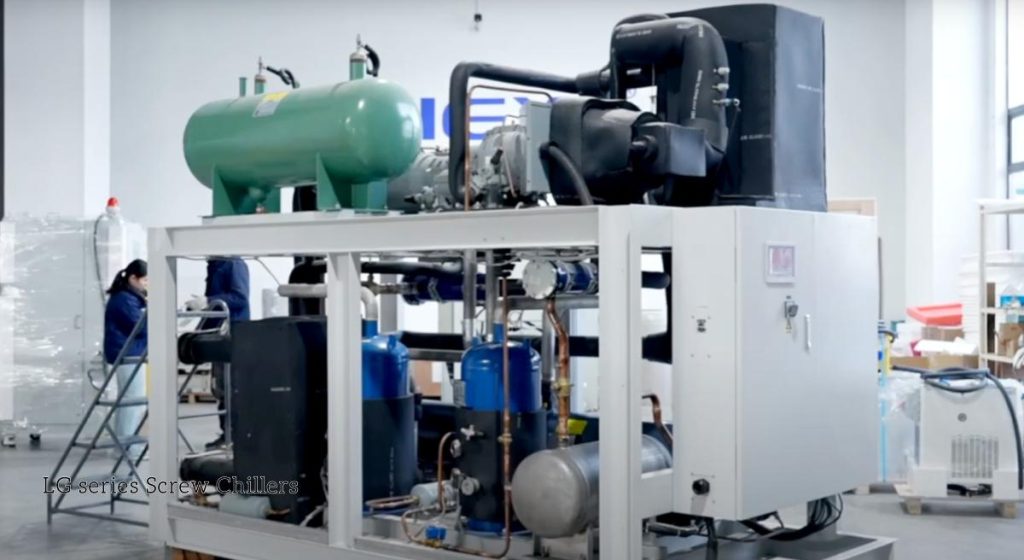
Air cooled chillers reject heat directly to ambient air. They usually sit on roofs or beside buildings. Fans move outside air across condenser coils. These units are easier to install because they have no cooling tower or condenser water loop.
They work well for medium sized buildings and when water access is limited. The downside is lower efficiency in very hot climates and more audible noise at the installation site.
Water cooled chillers
Water cooled chillers reject heat into a condenser water loop that feeds a cooling tower. The tower dumps heat through evaporation and makes water cooled chillers more efficient. These units are common in hospitals, malls, and high rise buildings where cooling loads are large and steady.
They need extra plant equipment such as towers, pumps, and water treatment. That adds cost but often pays back in lower energy bills and quieter operation.
Absorption chillers
Absorption chillers use heat instead of a mechanical compressor to move refrigerant. They run off steam, hot water, or direct fired gas. Inside the machine an absorbent solution picks up refrigerant vapor and then releases it when heated.
These chillers are useful where waste heat is available or electricity is costly. They have lower electrical draw but lower coefficient of performance compared to mechanical chillers. You will see absorption systems in cogeneration plants and industrial sites.
Conclusion
Choosing the right chiller in HVAC means weighing load profile, climate, utility costs, and maintenance capacity. An air cooled chiller keeps installation simple. A water cooled chiller wins on efficiency for big plants. Absorption chillers make sense when thermal energy is already present.
Looking for the right industrial chiller for your application? LNEYA offers a wide range of temperature control equipment, including various types and performance levels. In addition to standard models available for immediate shipment, we also offer custom designs.
Contact us to begin designing your unique chiller.

Recent Blogs
- Chiller Components and Refrigeration Fundamentals Guides
- Chiller Types and Selection Guides
- How Does a Peltier Cooler Work
- Peltier Chiller vs. Compressor Chiller
- What Is a Peltier Chiller
- OEM vs Aftermarket Chiller Spare Parts
- Chiller Surge
- Chiller Cooling Capacity Units
Catalog
- December 2025
- November 2025
- October 2025
- September 2025
- August 2025
- July 2025
- June 2025
- May 2025
- March 2025
- February 2025
- January 2025
- December 2024
- November 2024
- October 2024
- September 2024
- August 2024
- July 2024
- June 2024
- May 2024
- April 2024
- March 2024
- February 2024
- September 2023
- July 2023
- June 2023
- May 2023
- January 2023
Tag
air cooled chiller chiller Chiller Installation Chiller Maintenance chiller refrigerant chillers Cold Assembly Freezer cooling chiller cooling heating system cooling system dynamic temperature control system energy efficient chiller explosion-proof chiller freezer heating circulator industrial chiller industrial chillers industrial cooling industrial freezer industrial refrigerator jacket reactor laboratory chiller low temperature chiller news oil chiller process chiller process cooling reactor chiller reactor cooling reactor cooling heating reactor heating cooling refrigerated circulator screw chiller semiconductor chiller semiconductor test chiller sundi tcu temperature control test chamber thermostat ultra low temperature chiller vehicle test chiller water chiller water cooled chiller
Contact Us
Related Chillers


CONTACT US
TEL:
EMAIL:
WeChat & WhatsApp:

Wechat QR

Have a question or need a quote? Fill out the form below, and our team will get back to you within 24 hours.

