 LNEYA Industrial Chillers Manufacturer Supplier


Standard Chiller vs. Explosion-Proof Chiller:What Is the Difference
When people talk about chillers, they often mean the standard models you see in labs, factories, or HVAC systems. But in certain industries, using a standard chiller can be a real safety risk. That’s where explosion-proof chillers come in. If you’re unsure whether a standard chiller or an explosion-proof chiller is right for your project, it helps to understand what sets them apart.
What is a Standard Chiller
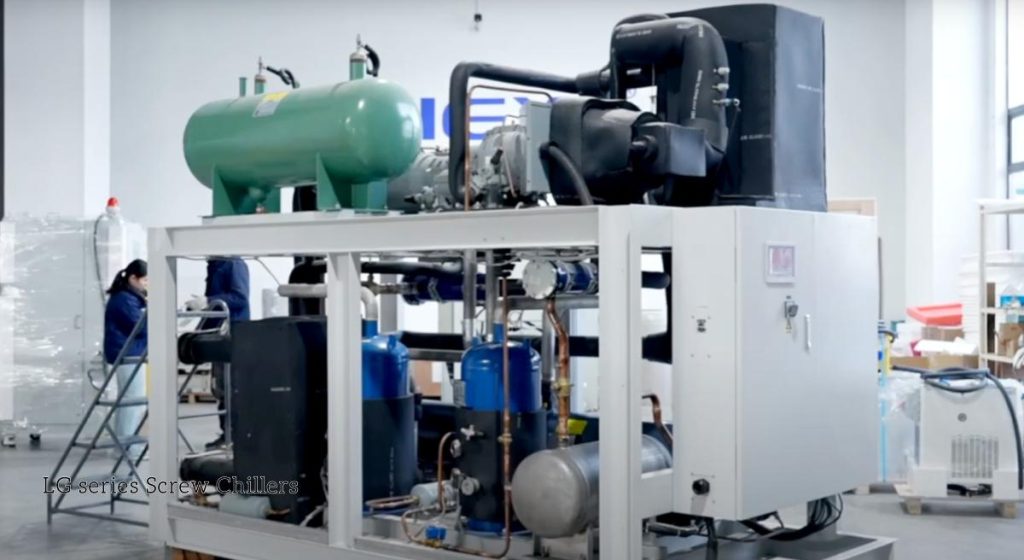
A standard chiller cools process water or coolant for equipment or processes in ordinary industrial or commercial spaces. It uses the familiar refrigeration loop with a compressor, evaporator, condenser, expansion device, and controls.
You will see standard chillers in data centers, molding lines, HVAC systems, and many water cooled process loops. They come in air cooled and water cooled versions and in a wide range of capacities. Standard chillers focus on cooling performance, efficiency, and cost. They assume the room has no flammable vapors, no hazardous dust, and basic electrical protections only.

What is an Explosion Proof Chiller
An explosion proof chiller keeps the same cooling job but with safety built for hazardous areas. Every part that could spark, heat up, or vent is designed to stay sealed from the outside atmosphere. Enclosures are flameproof. Motors and switches meet hazardous area ratings. Controls use certified junction boxes and special wiring.
Some models add purge systems or pressurization to keep flammable vapors out of the electrical compartments. The point is to prevent a single ignition source inside the chiller from touching a flammable cloud outside.
These machines belong in solvent handling rooms, paint shops, petrochemical areas, and anywhere the process creates an explosive atmosphere.
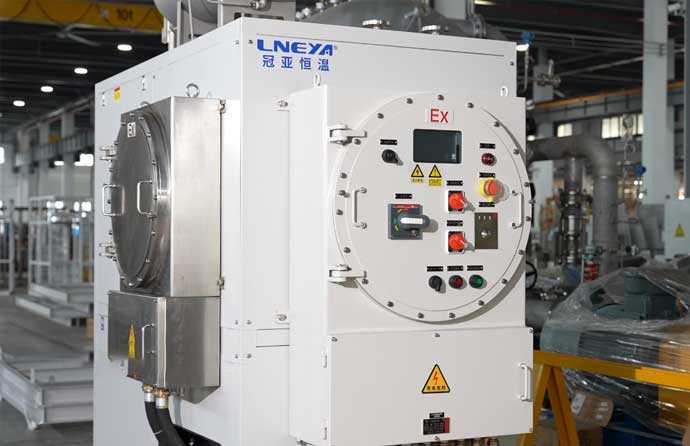
What is the difference between Standard Chillers and Explosion Proof Chillers
Function
Both types remove heat from water or process fluid. Standard chillers focus on capacity, efficiency, and simple controls. Explosion proof chillers perform the same heat transfer while adding safeguards against ignition. That extra safety does not change the core refrigeration cycle, but it often changes how service, control access, and electrical isolation are handled.
Structure
A standard chiller uses off the shelf electrical panels, ordinary enclosures, and common motor mounts. An explosion proof chiller replaces those parts with certified components. Expect sealed junction boxes, thicker enclosures, and hardware that prevents flame propagation.
Motors may be fully enclosed or made to minimize surface temperatures. Wiring routes follow approved glands and conduit. The added structure raises unit weight and initial cost but it is the barrier that prevents an internal fault from becoming a plant disaster.
Operating environment
Standard chillers belong in clean mechanical rooms, general plant areas, and office HVAC spaces where flammable gases and explosive dust are absent. Explosion proof chillers belong in classified locations where the process or material creates a risk.
These locations are often described by classification systems such as Class I Division 1 or Division 2 in North America, or ATEX zones in Europe. If the process uses solvents, light hydrocarbons, or generates combustible dust, the site needs a hazard assessment and probably explosion proof equipment.
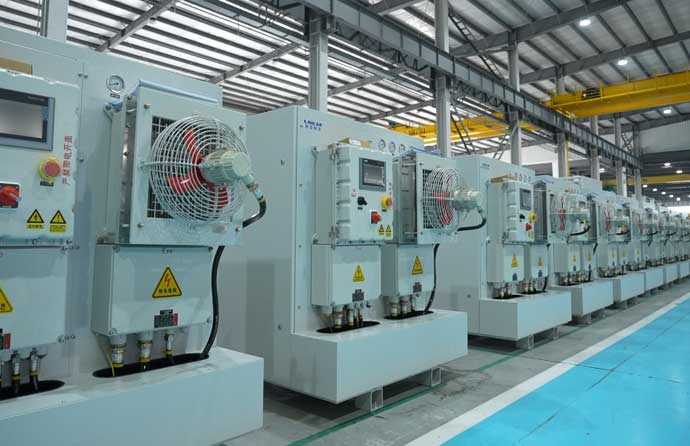
Safety codes and standards
Standard chillers must meet general safety and performance rules for electrical equipment and refrigeration. Explosion proof chillers must meet hazardous location standards and carry certifications that inspectors and insurers accept.
In the United States that usually means compliance with the national electrical code for hazardous locations and with local authority having jurisdiction requirements. Those certifications document that the equipment will not ignite a flammable atmosphere under defined conditions.
Choosing Standard chiller or Explosion Proof Chiller
Hazard Assessment
Look at the materials handled and their concentrations. Check the process safety data sheets for flash points and vapor behavior. If the process atmosphere can reach flammable limits even occasionally then an explosion proof chiller is the right choice.
If the atmosphere is always clean and there is no chance of flammable vapor or dust then a standard chiller is usually the better value.
Maintenance and Lifecycle Cost
Explosion proof units cost more to buy and cost more to maintain. Certified components are pricier and service visits require technicians with certifications and permit paperwork. On the other hand, installation of a standard chiller into a classified area exposes people and assets to serious risk and will likely fail an inspection or void insurance.
Space and Access
Explosion proof units often need more clearance for safe servicing and for purge or ventilation equipment.
Finally, match the chiller to the application not only by safety but also by process needs. Redundancy, capacity swings, and control precision matter. Explosion proof does not excuse poor thermal design. Choose a unit that meets cooling load, flow requirements, and control responsiveness while also meeting area safety needs.
Conclusion
If you like, the next step is a short checklist tailored to your facility. Provide the process fluids, the room layout, and the expected duty cycle and an LNEYA engineer familiar with hazardous locations can turn that into concrete temperature control solution.
Contact us to discuss your requirements.

Recent Blogs
- Chiller Components and Refrigeration Fundamentals Guides
- Chiller Types and Selection Guides
- How Does a Peltier Cooler Work
- Peltier Chiller vs. Compressor Chiller
- What Is a Peltier Chiller
- OEM vs Aftermarket Chiller Spare Parts
- Chiller Surge
- Chiller Cooling Capacity Units
Catalog
- December 2025
- November 2025
- October 2025
- September 2025
- August 2025
- July 2025
- June 2025
- May 2025
- March 2025
- February 2025
- January 2025
- December 2024
- November 2024
- October 2024
- September 2024
- August 2024
- July 2024
- June 2024
- May 2024
- April 2024
- March 2024
- February 2024
- September 2023
- July 2023
- June 2023
- May 2023
- January 2023
Tag
air cooled chiller chiller Chiller Installation Chiller Maintenance chiller refrigerant chillers Cold Assembly Freezer cooling chiller cooling heating system cooling system dynamic temperature control system energy efficient chiller explosion-proof chiller freezer heating circulator industrial chiller industrial chillers industrial cooling industrial freezer industrial refrigerator jacket reactor laboratory chiller low temperature chiller news oil chiller process chiller process cooling reactor chiller reactor cooling reactor cooling heating reactor heating cooling refrigerated circulator screw chiller semiconductor chiller semiconductor test chiller sundi tcu temperature control test chamber thermostat ultra low temperature chiller vehicle test chiller water chiller water cooled chiller
Contact Us
Related Chillers


CONTACT US
TEL:
EMAIL:
WeChat & WhatsApp:

Wechat QR

Have a question or need a quote? Fill out the form below, and our team will get back to you within 24 hours.

