 LNEYA Industrial Chillers Manufacturer Supplier


Can Refrigerants be Mixed in Chillers
Our chiller technicians have encountered this question countless times: “Can I just top off my chiller with a different refrigerant if the original is running low?” When customers ask this question, it could be because cylinders get mixed up, they’re trying to save time, or maybe the exact refrigerant isn’t on hand.
Mixing refrigerants in a chiller usually causes trouble. Sometimes it seems fine at first, but sooner or later, you’ll start seeing abnormal performance or even failures.
Situations Where Refrigerant Mixing Happens
In the field, refrigerant mixing usually happens unintentionally. You might have a leftover cylinder from another job, or a technician could assume two refrigerants are similar enough. Sometimes, the original refrigerant wasn’t labeled clearly on an older system. Other times, people just want to save a few bucks, thinking a “close enough” refrigerant won’t matter.
But every time this shortcut happens, the chiller is being put under stress it wasn’t designed for. You may not notice right away, but the consequences often show up in weird performance issues, higher energy bills, or even a damaged compressor.
Why Can’t Refrigerants Be Mixed in Chillers?
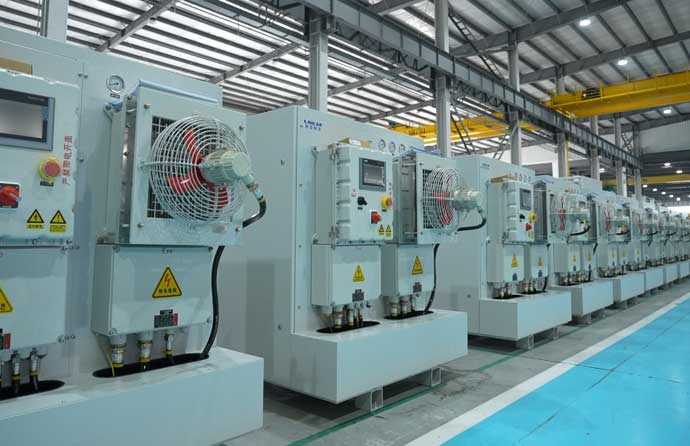
There’s a good reason chiller manufacturers warn against it. A chiller isn’t just some box with pipes. Every part—the compressor, valves, even the gaskets—relies on the refrigerant behaving a certain way. Mixing two types changes the system’s chemistry. And trust us, the chiller won’t like that.
Chemical Compatibility
Refrigerants don’t just float around, they mix with the oil, seals, and gaskets. If you mix different types, you can end up with thickened oil, corrosion, or sludge inside the system. We have seen compressors get ruined because the oil lost its protective properties after a mix-up. Once that happens, metal parts wear faster, and the system becomes a maintenance nightmare.
Refrigerant Performance Degradation
Every refrigerant has precise boiling and condensation points. Mix two types together, and those points shift. The result? Once refrigerants get mixed, the chiller may have trouble keeping temperature steady. It could run longer cycles or just feel sluggish. At first, it seems minor, but over a few weeks, efficiency really takes a hit.
Compressor Stress
The compressor is the trickiest part. Mixed refrigerants change pressures and vapor density, which makes the compressor work harder. Bearings wear out quicker, vibrations get worse, and the discharge temperature jumps up. In some cases, this leads to catastrophic compressor failure, and replacing it isn’t cheap.
Warranty Voiding
Most chiller warranties explicitly state that using the wrong refrigerant voids coverage. If your system suffers damage due to mixing, the manufacturer won’t cover repairs. Some clients bite the bullet on this one—trying to save on refrigerant costs ended up costing ten times more in repairs.
Increased Energy Consumption
Even if the chiller keeps running after a mix, efficiency drops. The system cycles longer, pumps run harder, and heat transfer isn’t optimal. It’s subtle at first, but over months, energy bills climb. A “cheap fix” for refrigerant now often turns into a long-term cost headache.


How to Prevent Refrigerants from Being Mixed?
Preventing refrigerant mixing requires discipline.
First, always label cylinders clearly. Maintain a log of every refrigerant used in each chiller. If you inherit an older unit without documentation, get a professional to analyze the refrigerant before adding anything.
When retrofitting for discontinued or phased-out refrigerants, work with a qualified technician. That means changing the oil, verifying material compatibility, and ensuring system pressures match the new refrigerant. Cutting corners here is the main cause of accidental mixing.
Lastly, educate your maintenance team. A technician who understands the consequences of mixing refrigerants is far less likely to take shortcuts. It’s about protecting the system and reducing long-term headaches.
Conclusion
If you’re unsure what refrigerant your chiller uses, or suspect a mix-up might have happened, don’t wait. Get a refrigerant analysis done and fix it before you see performance issues or compressor damage.
Using the right refrigerant the right way keeps the chiller running smoothly, lasts longer, and saves on energy. It may seem minor, but over time, it significantly impacts performance and energy costs.
Contact LNEYA for more information or a chiller quote.

Recent Blogs
- Chiller Components and Refrigeration Fundamentals Guides
- Chiller Types and Selection Guides
- How Does a Peltier Cooler Work
- Peltier Chiller vs. Compressor Chiller
- What Is a Peltier Chiller
- OEM vs Aftermarket Chiller Spare Parts
- Chiller Surge
- Chiller Cooling Capacity Units
Catalog
- December 2025
- November 2025
- October 2025
- September 2025
- August 2025
- July 2025
- June 2025
- May 2025
- March 2025
- February 2025
- January 2025
- December 2024
- November 2024
- October 2024
- September 2024
- August 2024
- July 2024
- June 2024
- May 2024
- April 2024
- March 2024
- February 2024
- September 2023
- July 2023
- June 2023
- May 2023
- January 2023
Tag
air cooled chiller chiller Chiller Installation Chiller Maintenance chiller refrigerant chillers Cold Assembly Freezer cooling chiller cooling heating system cooling system dynamic temperature control system energy efficient chiller explosion-proof chiller freezer heating circulator industrial chiller industrial chillers industrial cooling industrial freezer industrial refrigerator jacket reactor laboratory chiller low temperature chiller news oil chiller process chiller process cooling reactor chiller reactor cooling reactor cooling heating reactor heating cooling refrigerated circulator screw chiller semiconductor chiller semiconductor test chiller sundi tcu temperature control test chamber thermostat ultra low temperature chiller vehicle test chiller water chiller water cooled chiller
Contact Us
Related Chillers



CONTACT US
TEL:
EMAIL:
WeChat & WhatsApp:

Wechat QR

Have a question or need a quote? Fill out the form below, and our team will get back to you within 24 hours.

