 LNEYA Industrial Chillers Manufacturer Supplier


What is Explosion Isolation in Chillers
When chillers run inside hazardous areas, safety is not optional. Some sites handle solvents, volatile liquids, or fine dust every day. A small spark in the wrong place becomes a big problem fast. Explosion isolation is one of the proven ways to keep chillers from becoming an ignition source. This article explains the concept and then shows how it actually works in a chiller.
What is explosion isolation in chillers?
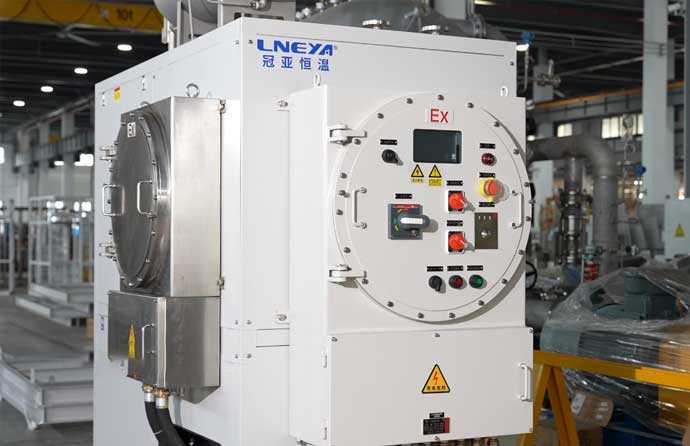
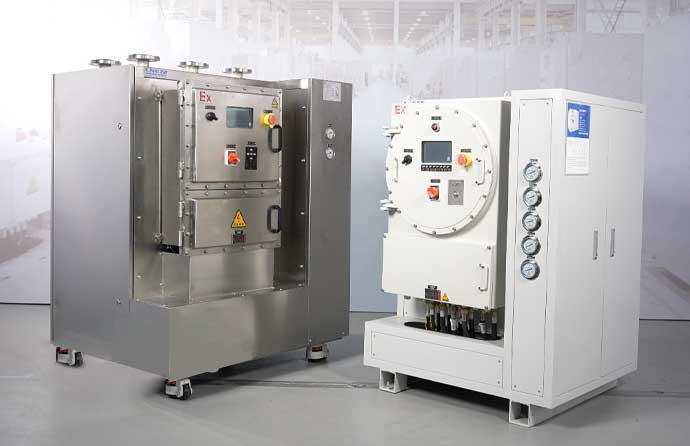
Explosion isolation means the electrical and control parts are separated from the hazardous air. These parts sit inside a sealed, robust box. The box is built to prevent flammable gas or dust from reaching live parts. It does not rely on continuous purge air. Instead it uses physical separation and certified sealing.
The idea is straightforward. Keep sparks inside a safe container. Do not let vapors enter that container. That way the chiller can operate near volatile processes without adding risk.
How does explosion isolation work inside a chiller?
In practice isolation works through several design elements that must work together.
Enclosure
The enclosure is made from sturdy metal with tight mating surfaces. Joints are machined to fit so gaps are minimal. Gaskets are selected for chemical resistance and clamping force is checked during installation. Cable entries use glands rated for hazardous areas. These glands are sealed with compound or with barrier inserts to stop gas tracking along the cable sheath.
Wiring and equipment inside the box
Controllers, relays, and terminal strips are chosen to meet the area classification. Wiring runs are kept short and routed to reduce heat build up. Where sensors or displays must interface with the outside, use isolated transmitters or fiber optics. In some designs potting or resin fills are used to block any path for vapor migration.
Thermal management
A sealed box still generates heat. Engineers must control internal temperatures so components stay below their safe operating limit. That can be done with conduction cooling to the cabinet wall, with internal heat sinks, or with an internal fan that circulates air inside the sealed volume. Fans are mounted in a way that does not break the seal.
Some enclosures include integral heat exchangers that transfer heat to a closed coolant loop. This prevents opening the box to ambient air while keeping electronics cool.
Certification and testing
Enclosures used for isolation must meet recognized standards such as ATEX or IECEx. Testing shows the box resists ingress and that it survives internal fault events without letting flame or hot gases leave.
On site, inspectors check for label plates, certificate numbers, and compliance records. A certified enclosure gives you documented proof that the design was evaluated to handle unsafe atmospheres.
Overall isolation is a containment strategy. It stops gas ingress. It prevents sparks from reaching the hazard. It reduces the need for continuous purge air. When designed, installed, and maintained properly it is robust and low cost to operate.
Where is an Explosion Isolation chiller applied?
Chemical plants with solvent storage
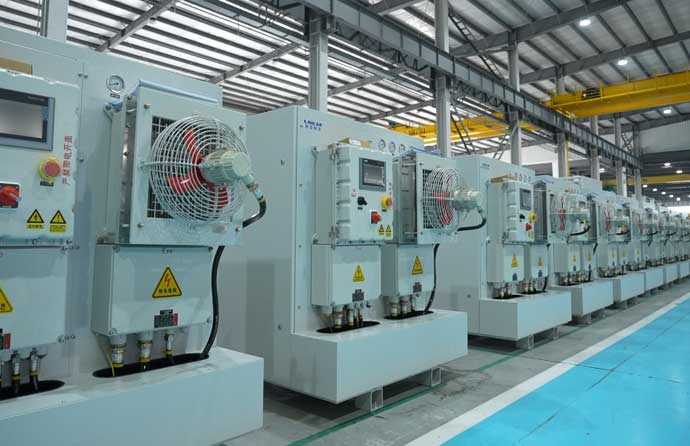
Solvent vapors are common in mixing, extraction, and cleaning processes. In these areas, a single spark could ignite a cloud of vapor. Explosion isolation chillers keep their controls sealed so they can safely support reactors, tanks, or distillation units.
Pharmaceutical production with volatile liquids
Many drug formulations use alcohols, ketones, or other flammable carriers. During production, explosion-proof chillers help stabilize reaction vessels and maintain precise temperatures, ensures that the cooling system does not become an ignition source in rooms where volatile liquids are handled daily.
Oil and gas facilities
On drilling platforms and in refineries, gas leaks or mist from hydrocarbons can create a hazardous environment. Explosion isolation chillers are installed to cool process streams, hydraulic systems, or analyzers without adding ignition risks to an already sensitive site.
Paint and coating workshops
Paint mixing and spray booths are full of fine mist and solvents. Traditional electrical systems would be unsafe here. Explosion isolation chillers are often used to regulate the temperature of mixing tanks and drying chambers, giving reliable cooling without exposing ignition points.
Battery production areas
Modern battery manufacturing uses chemicals that can release flammable vapors. Cooling is critical for electrode processing and formation stages. Explosion isolation allows chillers to run close to production lines without creating sparks in environments where chemical safety is already a concern.
Conclusion
Looking for a reliable explosion-proof chiller for your new project? LNEYA offers a range of certified, high-performance explosion-proof cooling systems, and also provides customized solutions to meet your specific needs.

Recent Blogs
- Chiller Components and Refrigeration Fundamentals Guides
- Chiller Types and Selection Guides
- How Does a Peltier Cooler Work
- Peltier Chiller vs. Compressor Chiller
- What Is a Peltier Chiller
- OEM vs Aftermarket Chiller Spare Parts
- Chiller Surge
- Chiller Cooling Capacity Units
Catalog
- December 2025
- November 2025
- October 2025
- September 2025
- August 2025
- July 2025
- June 2025
- May 2025
- March 2025
- February 2025
- January 2025
- December 2024
- November 2024
- October 2024
- September 2024
- August 2024
- July 2024
- June 2024
- May 2024
- April 2024
- March 2024
- February 2024
- September 2023
- July 2023
- June 2023
- May 2023
- January 2023
Tag
air cooled chiller chiller Chiller Installation Chiller Maintenance chiller refrigerant chillers Cold Assembly Freezer cooling chiller cooling heating system cooling system dynamic temperature control system energy efficient chiller explosion-proof chiller freezer heating circulator industrial chiller industrial chillers industrial cooling industrial freezer industrial refrigerator jacket reactor laboratory chiller low temperature chiller news oil chiller process chiller process cooling reactor chiller reactor cooling reactor cooling heating reactor heating cooling refrigerated circulator screw chiller semiconductor chiller semiconductor test chiller sundi tcu temperature control test chamber thermostat ultra low temperature chiller vehicle test chiller water chiller water cooled chiller
Contact Us
Related Chillers


CONTACT US
TEL:
EMAIL:
WeChat & WhatsApp:

Wechat QR

Have a question or need a quote? Fill out the form below, and our team will get back to you within 24 hours.

