 LNEYA Industrial Chillers Manufacturer Supplier


How Much Does a Chiller Cost
When you start searching for how much does a chiller cost, it usually means you’re planning a serious investment . The problem is, chiller prices vary wildly, from a few thousand to hundreds of thousands of dollars, depending on type, capacity, and setup. That makes it hard to know what’s reasonable or where to start.
In this guide, you’ll learn how chiller pricing really works, what drives the cost up or down, and how to choose the most cost-effective system for your application.
What factors influence the chiller price ?
The price of a water chiller depends on its type, capacity, brand, condition, and extra features. Each factor directly affects cost, performance, and long-term value.
When you compare chillers, don’t focus only on the purchase price. Think about total cost over its lifespan. A lower upfront price can mean higher energy bills or more downtime later. Understanding what drives cost helps you pick the best value for your process.

Chiller Type
Different chiller types come with different designs, cooling methods, and costs. Water-cooled chillers usually cost more upfront than air-cooled ones. They need a cooling tower and extra plumbing, but they run more efficiently and last longer. For example, a 50-ton air-cooled chiller might cost $35,000, while a similar water-cooled system can reach $45,000 to $55,000.
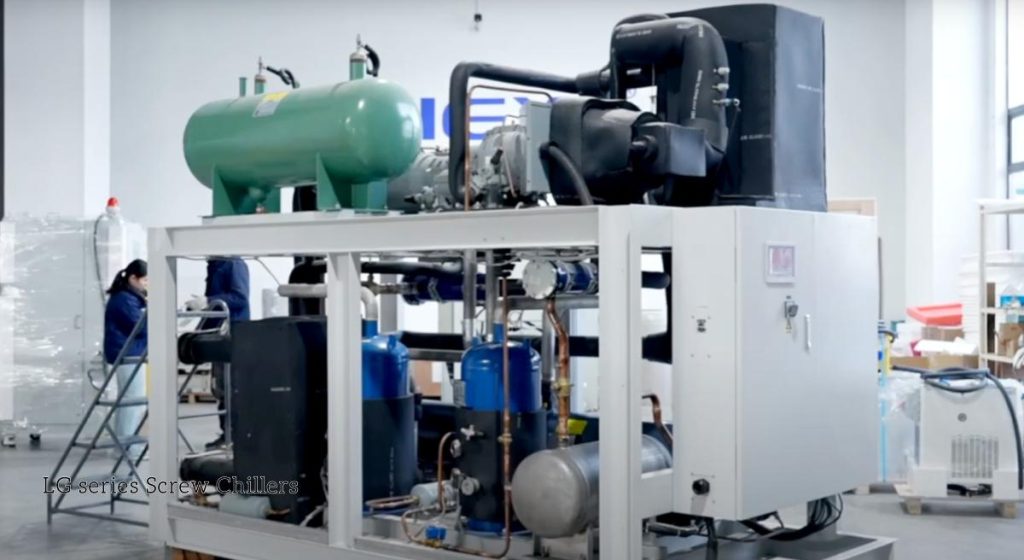
Absorption chillers and screw chillers serve special needs and raise the chiller price further. When choosing type, consider both purchase and operating cost. Overspending on efficiency can waste money if your process runs only part-time.
Cooling Capacity
Larger chillers require stronger compressors, bigger heat exchangers, and more control hardware. Price rises almost linearly with tonnage, but installation and power needs grow faster. For example, a 5-ton unit may cost $5,000, but a 50-ton model can exceed $50,000 once accessories and installation are included.
Always size based on your real heat load with a 10–15% margin. Oversizing increases both cost and energy waste. Undersizing causes unstable temperature and shortens compressor life.
Used and New
Buying a used chiller can save 30–50% of the initial cost, but it comes with risks.
Used systems often need testing, oil change, and part replacement. They may lack updated control systems or refrigerants that meet new regulations. For instance, an old R22 system may be cheap but illegal in some regions.
New water chillers cost more but include warranty and modern energy-efficient designs. If uptime is critical, new units deliver more predictable performance and lower lifetime cost. Always calculate maintenance and retrofit cost before deciding.
Brand, Quality, and Warranty
Premium brands use high-quality compressors, precise controllers, and corrosion-resistant materials. They offer longer warranties, sometimes up to five years, which protects you from repair expenses. A well-known brand like LNEYA, Trane, or Carrier may cost more initially, but the reliability and energy savings usually offset the difference within a few years.
Cheaper unknown brands often cut costs on controls or safety devices. That can lead to unstable temperature control and shorter lifespan. Always balance price with proven performance and warranty coverage.
Additional Features and Customization
Extra features and customization can significantly raise the final chiller price. Options like touchscreen control panels, remote monitoring, anti-corrosion coating, or explosion-proof design add cost but improve usability and safety. A standard unit may cost $20,000, while a customized one with PLC control and stainless-steel piping can exceed $30,000.
How much does a chiller cost?
A chiller’s price ranges from a few thousand to over a hundred thousand dollars, depending on capacity, type, and configuration. Costs vary by cooling method, technology, and application. Knowing the price range helps you plan your budget and avoid overpaying for unnecessary features.
When estimating chiller cost, remember that purchase price is only part of total ownership. Installation, energy use, and maintenance can add 30–50% to lifetime expenses.
Air-Cooled Chiller Price Range
Air-cooled chillers are popular for ease of installation and lower maintenance. They cost less upfront but use more power in hot climates.
Typical price range:
Water-Cooled Chiller Price Range
Water-cooled chillers cost more to buy and install but offer higher efficiency and longer lifespan. They are common in heavy industry, semiconductor fabs, and chemical plants.
Typical price range:
Industrial Process Chiller Price Range
Industrial process chillers handle specific production needs like reactor cooling, laser cutting, or plastic molding. Prices depend on precision, materials, and safety requirements.
Typical price range:
Specialized and Application-Specific Chillers
Certain industries need chillers designed for unique conditions or fluids. These specialized units are priced by complexity and compliance standards.
Examples include:
Portable and Small Laboratory Chiller Price Range
Portable chillers or benchtop lab chillers are compact and plug-and-play. They are often used in analytical instruments, laser systems, or pilot tests.
Typical price range:
Where to Find Reliable Chiller Price Information?
Reliable chiller price information comes from verified sources such as manufacturer websites, authorized distributors, and formal quotations. Prices on these platforms reflect real configurations, warranty coverage, and after-sales support. Using trusted sources helps you avoid hidden costs and misleading deals.
When you search online, you’ll find large price gaps. That happens because some listings only show base units without pumps or controllers. Always confirm whether the quote includes shipping, installation, and taxes before comparing options.
Manufacturer Websites and Official Distributors
Manufacturer websites offer the most accurate and transparent chiller pricing. They list product specs, available options, and application examples. You can see how cooling capacity and control precision affect the final cost.
Official distributors follow the same pricing guidelines and provide local service. They can suggest suitable models based on your process load and budget. Always confirm the distributor is certified by the brand to ensure warranty validity.
Online B2B Marketplaces
Platforms such as Alibaba, Made-in-China, and Global Sources show chiller price ranges from many suppliers. These sites help you understand market trends and compare standard models quickly.
However, prices there can vary widely due to regional cost differences or incomplete configurations. Before ordering, check supplier credibility, response time, and past project cases. Choose verified manufacturers that publish technical data sheets, not just marketing images.
Requesting a Quote and Technical Consultation
For accurate pricing, request a detailed quote directly from the chiller manufacturer. Provide cooling capacity, target temperature, inlet and outlet temperature, and ambient conditions.
Technical engineers will match your process with the most efficient system. They can explain why a 30-ton unit may cost less or more depending on control accuracy or compressor type. A proper consultation can prevent expensive oversizing or energy waste later.
If you work with LNEYA, you can get a professional quote in 30 minutes, including layout advice and system configuration. This saves you time and ensures your final chiller price reflects your actual needs.
Need a custom cooling solution for your process?
Tips for Budgeting Your Chiller Purchase
A clear chiller budget helps you control total cost and avoid surprises after installation. Include not just the purchase price but all related expenses through the system’s lifespan.
Budget planning ensures your chiller delivers the expected performance without cutting corners on reliability or safety.
Consider Maintenance and Operational Costs
Maintenance and power use affect your chiller’s long-term cost more than the initial price. Energy consumption accounts for up to 60% of total lifetime cost.
Choose efficient compressors, variable-speed drives, and cleanable heat exchangers. They reduce operating expenses and extend equipment life. Schedule preventive maintenance to avoid unplanned downtime that can cost more than repairs.
When comparing chiller prices, look beyond the sticker number. An efficient, well-built system pays for itself through lower utility bills and fewer breakdowns.
Estimate Total Cost Including Installation
The total chiller cost includes purchase price, freight, piping, electrical connection, and installation labor. These items can add 15%–30% to the overall budget.
For example, a $40,000 water-cooled chiller may cost $55,000 after installation and startup. Always request a complete quote that lists every item. That way, you avoid budget shortfalls later in the project.
Factor in Future Expansion or Upgrades
When planning your chiller purchase, think about future capacity needs. Many plants expand production within three to five years.
Select a system that allows modular expansion or higher cooling load. Adding a second chiller later often costs more than installing scalable capacity now.
Also, check whether the control system supports remote monitoring or software upgrades. These features increase long-term value and reduce future replacement costs.
A reliable chiller price strategy balances initial investment, operating cost, and expansion flexibility. Whether you buy from LNEYA’s website, a certified distributor, or a trusted marketplace, focus on verified data, professional consultation, and long-term efficiency. This approach ensures your cooling system remains cost-effective and dependable for years to come.
Explore LNEYA Chiller
LNEYA provides detailed and transparent quotations for every customer. Each quote clearly lists equipment cost, optional accessories, installation support, delivery terms, and after-sales services. You’ll know exactly what you’re paying for and why.
By working directly with LNEYA’s technical team, you can receive a customized proposal that fits your cooling capacity, control precision, and budget.
FAQ


CONTACT US
TEL:
EMAIL:
WeChat & WhatsApp:

Wechat QR


