 LNEYA Industrial Chillers Manufacturer Supplier


How Does Low Refrigerant Affect a Chiller
Anyone who has worked with industrial chillers for a while knows that refrigerant levels are not something you can ignore. A chiller may keep running with low refrigerant, but the performance drops quietly at first and then problems escalate. Insufficient refrigerant charge stresses components, increases energy costs, and shortens system life.
This article explains how to check levels, why charge drops, what happens when you do not act, and how to fix it.
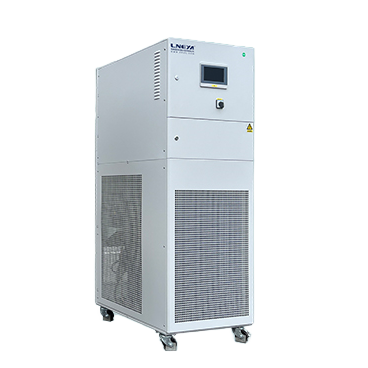
How to Check Refrigerant Levels in a Chiller
Pressure and Temperature Readings
Use a digital manifold and clamp thermometer. Attach gauges to suction and discharge service ports. Record suction pressure, discharge pressure, suction line temperature, and liquid line temperature.
Compare your numbers to the manufacturer chart for the current load and ambient. If the suction pressure is lower than expected and superheat is high the charge is likely low.
Sight Glass
If you see continuous bubbles in the liquid line under steady load then the charge is not right. Note that some systems will flash at the sight glass for a short moment on startup. The key is steady operation. If bubbles persist call for a leak check.
Oil Indicators
Check oil level and oil appearance. Foamy oil or a sudden drop in oil level can be a symptom of low refrigerant or liquid return. On screw compressors weigh the oil. If oil is dark or smells burned plan a compressor inspection.
Cooling Performance in Real Operation
Time how long the chilled water supply takes to drop 5℃ after a start. If it takes twice as long as it should the evaporator may be starved of refrigerant. Log the supply and return temps over an hour. A slow pull down combined with low suction pressure is a clear indicator.
Why Do Chillers Run Low on Refrigerant
Leaks in the System
Valves, flare connections, brazed joints and service ports are common leak points. Vibration near pipe supports wears fittings. Corrosion eats copper where condensation sits.
Improper Charging
If a chiller was charged hastily or the technician miscalculated the correct fill, the machine might leave the shop already undercharged.
Natural Loss Over Time
Aging and permeation matter on older systems. Rubber seals and gaskets slowly let molecules pass. It is slow but persistent. Small leaks add up to poor refrigerant charge over years.
How Does Low Refrigerant Affect a Chiller
Reduced Cooling Capacity
The evaporator cannot boil enough refrigerant to absorb the designed heat load. Chilled water supply temperature rises. Processes take longer to reach setpoint. In molding this may lengthen cycle time. In labs it may ruin a test.
Higher Energy Consumption
The compressor runs longer and often at a higher discharge pressure. You will see higher amp draw on the motor. Our expert usually compare motor amps to nameplate under similar load. A steady 10 percent increase in running amps is a red flag tied to poor refrigerant charge.
Stress on Mechanical Components
Low refrigerant causes higher discharge temperatures. Bearings and valves run hotter. Liquid slugging becomes a risk if charge conditions shift. Repair bills then jump from a simple leak fix to a compressor rebuild.
Product Quality
In industries where chillers support sensitive production such as semiconductors, pharmaceuticals, or plastics, poor refrigerant levels can affect product quality. Temperature swings or insufficient cooling capacity can cause entire production batches to be scrapped.
Other side effects include oil foaming and erratic control. Sight glass bubbles can entrain into the oil return. That leads to foaming and reduced oil return which can starve the compressor of lubrication over time.
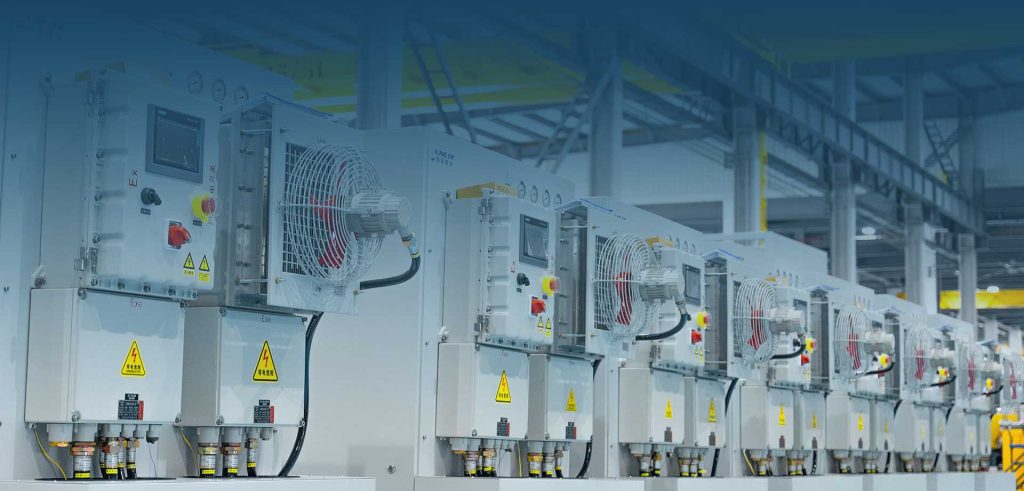
How to Solve Low Refrigerant Levels
Leak Detection
Use an electronic leak detector for HFCs. If you suspect a slow leak do a pressure test with dry nitrogen and soap solution. For very small leaks use an ultrasonic detector. Confirm the location before you plan brazing or part replacement.
Repair the Leak and Pressure Test Again
Never add refrigerant and leave a leak unrepaired. That is wasted money and it hides the real issue. After the repair evacuate to the required vacuum level using a two stage vacuum pump. Replace the filter drier on any open circuit. A clogged drier will hide symptoms and trap moisture.
Recharging the System Correctly
Follow the manufacturer target for charge mass. Then adjust using measured subcooling and superheat. Typical superheat ranges are 5 to 15 ℉ in many systems. Typical subcooling values also sit in the 5 to 15 ℉ window but follow the spec sheet. Verify pressures and temperatures under steady load and log them.
Component Replacement
If the leak was internal, such as a failed plate heat exchanger or compressor crack, consider component replacement. Internal leaks can cause oil migration and compressor damage. Inspect oil samples for metal particles after a big leak event.
Conclusion
Low refrigerant is easy to ignore until it forces a shutdown. The fix is straightforward when you catch it early.
Contact our team to learn more about our chiller products and our latest news and events.

Recent Blogs
- Chiller Components and Refrigeration Fundamentals Guides
- Chiller Types and Selection Guides
- How Does a Peltier Cooler Work
- Peltier Chiller vs. Compressor Chiller
- What Is a Peltier Chiller
- OEM vs Aftermarket Chiller Spare Parts
- Chiller Surge
- Chiller Cooling Capacity Units
Catalog
- December 2025
- November 2025
- October 2025
- September 2025
- August 2025
- July 2025
- June 2025
- May 2025
- March 2025
- February 2025
- January 2025
- December 2024
- November 2024
- October 2024
- September 2024
- August 2024
- July 2024
- June 2024
- May 2024
- April 2024
- March 2024
- February 2024
- September 2023
- July 2023
- June 2023
- May 2023
- January 2023
Tag
air cooled chiller chiller Chiller Installation Chiller Maintenance chiller refrigerant chillers Cold Assembly Freezer cooling chiller cooling heating system cooling system dynamic temperature control system energy efficient chiller explosion-proof chiller freezer heating circulator industrial chiller industrial chillers industrial cooling industrial freezer industrial refrigerator jacket reactor laboratory chiller low temperature chiller news oil chiller process chiller process cooling reactor chiller reactor cooling reactor cooling heating reactor heating cooling refrigerated circulator screw chiller semiconductor chiller semiconductor test chiller sundi tcu temperature control test chamber thermostat ultra low temperature chiller vehicle test chiller water chiller water cooled chiller
Contact Us
Related Chillers


CONTACT US
TEL:
EMAIL:
WeChat & WhatsApp:

Wechat QR

Have a question or need a quote? Fill out the form below, and our team will get back to you within 24 hours.

