 LNEYA Industrial Chillers Manufacturer Supplier


How Cooling Capacity Affects Chiller Price
If you are shopping for a chiller, you may wonder how cooling capacity affects chiller price. Larger units cost more, but a smaller chiller may fail to meet your load. This guide helps you understand how capacity drives cost, match the right size to your process, and avoid overspending or inefficiency.
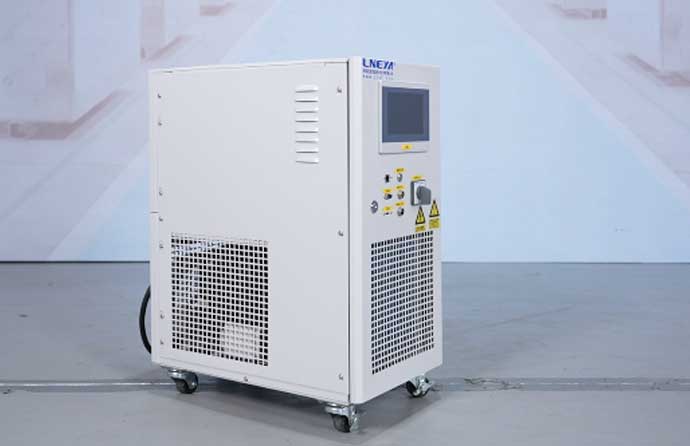
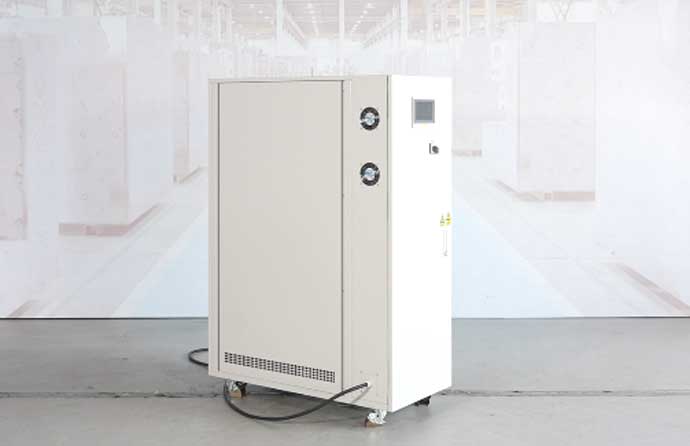
What Is Chiller Cooling Capacity?
Chiller cooling capacity measures how much heat a chiller can remove per hour, indicating its cooling power for a specific system load.
Cooling capacity is commonly expressed in tons or kilowatts. One ton equals 12,000 BTU per hour. Kilowatts describe energy removed per second and are widely used in industrial calculations.
Cooling capacity must match the system’s heat load to maintain stable temperatures. Heat load comes from equipment, processes, or ambient heat. A chiller smaller than the load causes overheating. Oversized chillers run inefficiently and waste electricity. Real facilities often add a 10-20% margin for peak conditions.
How Cooling Capacity Affect Chiller Price?
Cooling capacity directly affects chiller price because bigger compressors, larger heat exchangers, electrical requirements, chiller size, and advanced controls all increase costs. Understanding these factors helps buyers plan budgets and avoid overspending.
Bigger Compressors
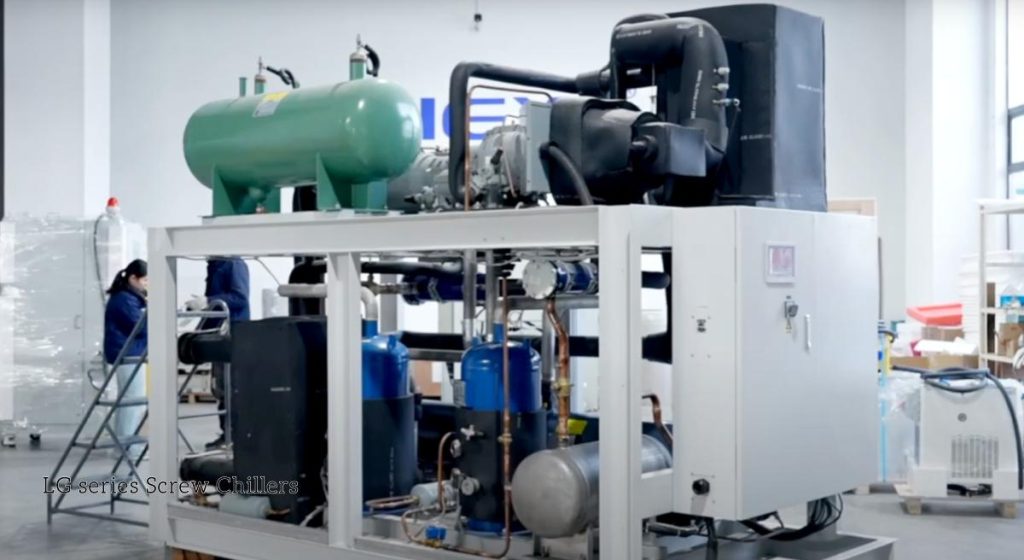
High-capacity chillers deliver stable cooling for large processes, but this requires bigger compressors. Large screw or centrifugal compressors handle industrial loads reliably.
For example, a 50-ton process chiller uses twin screw compressors, much pricier than a 2-ton lab chiller with a scroll compressor. Bigger compressors increase chiller price because they demand more materials, precision, and installation effort.
Heat Exchangers Scale with Capacity
Large cooling loads need bigger or multiple heat exchangers to transfer heat efficiently. Larger evaporators and condensers stabilize temperature for applications like semiconductors or pharmaceuticals. Materials like copper or microchannel designs balance efficiency with durability. The need for larger, higher-quality heat exchangers directly drives higher chiller cost.
Chiller Size
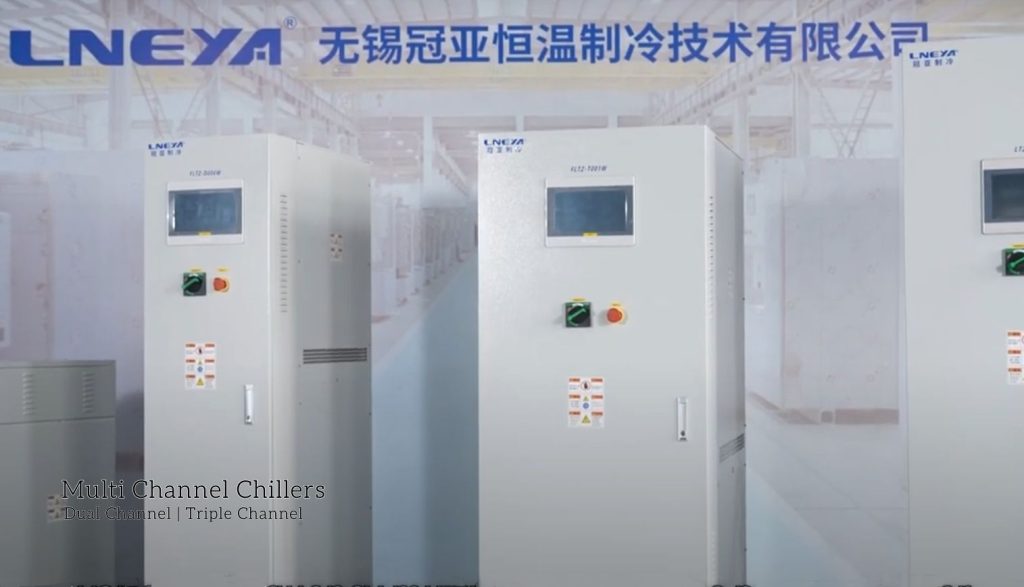
High-capacity chillers occupy more space and require stronger frames and supports. Industrial units above 100 tons can fill an entire machine room corner. Correct layout ensures airflow and maintenance access. The physical size of the chiller increases price because more materials, labor, and site preparation are needed.
Electrical System Capacity
Larger chillers draw more power and need robust electrical systems, including transformers, breakers, and wiring. A 100-ton unit might require a dedicated 480V three-phase supply. Insufficient electrical infrastructure risks overloads and downtime. Higher electrical requirements raise chiller cost because they involve both internal components and external site upgrades.
Control System
High-capacity chillers rely on advanced controls for energy efficiency, load management, and safety. PLCs, touchscreens, and remote monitoring help coordinate multiple units. Proper control prevents temperature swings and protects equipment. More complex control systems increase chiller price because they integrate software, sensors, and hardware for reliable operation.
Need a custom cooling solution for your process?
How to Choose the Right Chiller Cooling Capacity
Choosing the correct chiller cooling capacity ensures stable temperatures, efficient energy use, and reliable operation. Oversized or undersized units can cause frequent cycling, high energy costs, and process disruption. Understanding your process needs helps you select the optimal chiller.
Calculate the Process Heat Load
The first step is to determine your facility’s heat load. Identify all sources of heat including machines, lighting, and chemical reactions. Matching cooling capacity to actual heat load prevents overpaying or underperforming.
Consider Peak and Part-Load Conditions
Cooling demands fluctuate throughout the day or production cycle. A chiller sized only for average load may struggle during peak operation. Evaluating peak versus average load ensures your chiller maintains temperature without wasting energy.
Factor in Future Expansion
Your facility may grow, or production requirements may change. Selecting a chiller with slightly higher capacity or modular expandability allows you to scale without replacing the entire system.
Evaluate Environmental and Installation Constraints
Ambient temperature, humidity, and installation space affect performance. Outdoor air-cooled chillers need higher capacity in hot climates, while water-cooled units may need extra pumps or cooling towers.
LNEYA Temperature Control Solutions
LNEYA provides a wide range of air-cooled and water-cooled chillers, detailed quotes, and expert guidance. Let our team help you choose the right capacity and optimize your industrial or lab cooling.
FAQ About Chiller Cooling Capacity and Price


CONTACT US
TEL:
EMAIL:
WeChat & WhatsApp:

Wechat QR


