 LNEYA Industrial Chillers Manufacturer Supplier


Heat Pump Chiller vs Heat Recovery Chiller: Which System Fits Your Needs
Walk into most mechanical rooms and you’ll notice the same setup: a chiller humming on one side, a boiler running on the other. One throws heat away, the other burns fuel to create it. It works, but it’s wasteful.
Over the past decade, technologies like the heat pump chiller and the heat recovery chiller have changed that picture. They absorb and reuse excess energy in the system. This means less wasted energy, lower utility bills, and reduced emissions.
What Is a Heat Pump Chiller?
Think of a heat pump chiller as a two-in-one system. It cools your building or process, while at the same time it delivers hot water. Instead of rejecting heat outside, the unit captures it and transfers it into a hot water loop.
The evaporator pulls heat out of the chilled water loop, the compressor lifts that heat to a higher temperature, and the condenser dumps it into water you can actually use. Depending on the model, the outlet hot water can hit 120°F, 140°F, even higher.
Some hotels replace entire boiler systems with heat pump chillers. Guests get cooling in their rooms, laundry services get steady hot water, and the hotel slashes its gas bills. The same applies to hospitals or industrial plants that run year-round hot water systems.
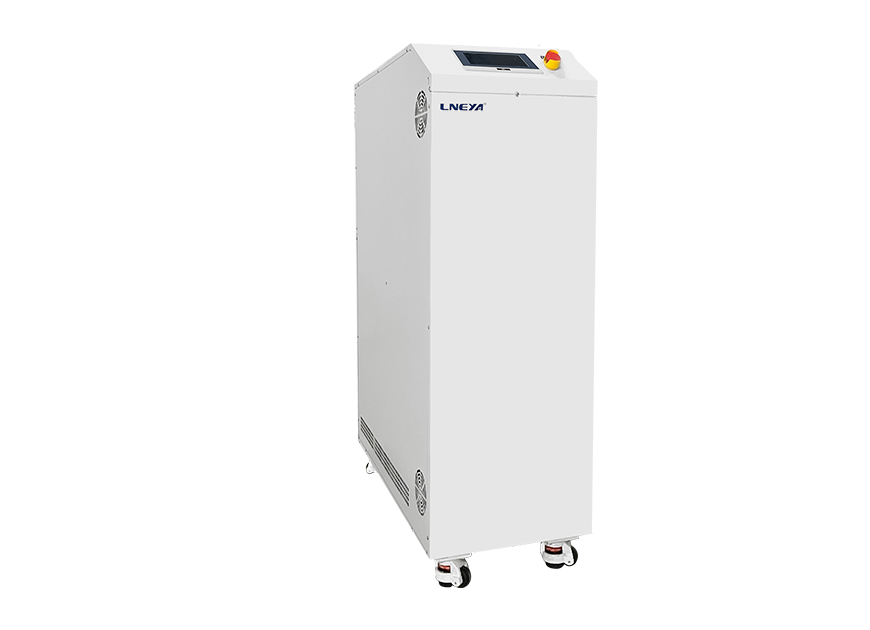
What Is a Heat Recovery Chiller?
A heat recovery chiller is a little different. It’s still mainly a chiller. Cooling is its first job. But instead of dumping all the condenser heat outside, it diverts a portion of it into a hot water loop.
The catch is that the hot water output depends on cooling demand. If your building is running heavy air conditioning, you’ll have plenty of recovered heat. If the cooling load drops, hot water production drops too.
We worked with a university campus that added a heat recovery chiller to their central plant. Every time the labs and classrooms needed cooling, the system pushed hot water into the domestic loop. Students never noticed, but behind the scenes the energy savings were huge. No extra gas burned, just recycled heat.

Heat Pump Chiller vs. Heat Recovery Chiller
Function
The biggest difference is function and priority. A heat pump chiller is built to do both jobs—cooling and heating—with equal weight. If your facility depends on hot water every single day, this machine can be the primary source.
It doesn’t matter if your cooling demand is low; the unit will still deliver hot water because that’s what it’s designed to do. In practice, many facilities replace boilers entirely with heat pump chillers.
A Heat Recovery Chiller, on the other hand, doesn’t promise that. Its first job is to keep your chilled water loop running. The heat recovery function is opportunistic: it captures waste heat when cooling is active.
If your building has high cooling loads, you’ll get a healthy stream of hot water almost for free. But if cooling demand drops—say during a mild season—your hot water supply will shrink. That means you still need a backup heater or boiler to cover those gaps.
Temperature Control
Temperature control is another area where the two differ. Heat pump chillers are designed to push hot water to higher and more stable setpoints, often 120°F to 140°F, sometimes more depending on the model. That’s hot enough for domestic water, laundry, or industrial cleaning.
Heat Recovery Chillers usually deliver lower-temperature hot water, and the temperature may fluctuate depending on cooling load. For some applications like space reheat coils or preheating domestic water, that’s perfectly fine. But if you’re running a hospital laundry, you’ll notice the difference.
System Design and Cost
Heat pump chillers are a bigger upfront investment but can simplify the plant. You may be able to eliminate a boiler, reduce piping complexity, and cut fuel costs entirely. Heat Recovery Chillers cost less to add because they’re basically chillers with an extra heat exchanger. But you’re not replacing the heating system, you’re supplementing it.
Applications
Heat pump chillers are perfect for places like hotels, hospitals, or industrial sites where chilled water and hot water are both daily requirements. Heat recovery chillers fit well in offices, schools, or data centers where cooling dominates but you can use the “free heat” to preheat domestic water or reheat coils.
How to Choosing the Right System?
Choose a Heat Pump Chiller if:
• You need year-round hot water, regardless of cooling demand.
• You want to downsize or eliminate boilers.
• You’re chasing carbon reduction targets and want one machine to handle both loads.
Choose a heat recovery chiller if:
• Cooling is the dominant need in your facility.
• Heating loads overlap with cooling loads, and you hate to see energy wasted.
• You want a lower-cost upgrade that improves sustainability without changing your main heating system.
We often tell clients this: if you want hot water on demand, think heat pump chiller. If you just want to make use of extra heat when it’s available, go with a heat recovery chiller.
Conclusion
If you are considering replacing your boiler with a cleaner and more cost-effective system, you may want to consider heat pump chillers and heat recovery chillers. LNEYA offers both series of products and can customize them to meet your needs.

Recent Blogs
- Chiller Components and Refrigeration Fundamentals Guides
- Chiller Types and Selection Guides
- How Does a Peltier Cooler Work
- Peltier Chiller vs. Compressor Chiller
- What Is a Peltier Chiller
- OEM vs Aftermarket Chiller Spare Parts
- Chiller Surge
- Chiller Cooling Capacity Units
Catalog
- December 2025
- November 2025
- October 2025
- September 2025
- August 2025
- July 2025
- June 2025
- May 2025
- March 2025
- February 2025
- January 2025
- December 2024
- November 2024
- October 2024
- September 2024
- August 2024
- July 2024
- June 2024
- May 2024
- April 2024
- March 2024
- February 2024
- September 2023
- July 2023
- June 2023
- May 2023
- January 2023
Tag
air cooled chiller chiller Chiller Installation Chiller Maintenance chiller refrigerant chillers Cold Assembly Freezer cooling chiller cooling heating system cooling system dynamic temperature control system energy efficient chiller explosion-proof chiller freezer heating circulator industrial chiller industrial chillers industrial cooling industrial freezer industrial refrigerator jacket reactor laboratory chiller low temperature chiller news oil chiller process chiller process cooling reactor chiller reactor cooling reactor cooling heating reactor heating cooling refrigerated circulator screw chiller semiconductor chiller semiconductor test chiller sundi tcu temperature control test chamber thermostat ultra low temperature chiller vehicle test chiller water chiller water cooled chiller
Contact Us
Related Chillers


CONTACT US
TEL:
EMAIL:
WeChat & WhatsApp:

Wechat QR

Have a question or need a quote? Fill out the form below, and our team will get back to you within 24 hours.

