 LNEYA Industrial Chillers Manufacturer Supplier


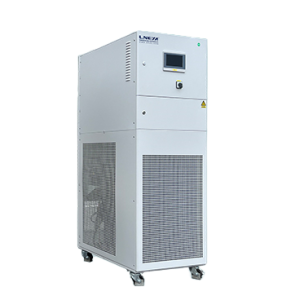
How Does Low Refrigerant Affect a Chiller
997Low refrigerant in a chiller reduces cooling capacity, raises energy costs, stresses components, and shortens system life.
View detailsSearch the whole station
Low refrigerant in a chiller reduces cooling capacity, raises energy costs, stresses components, and shortens system life.
View details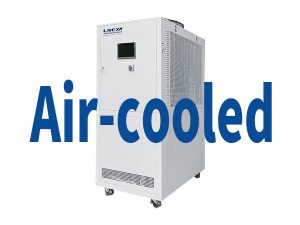
Factors like environment, load, refrigerant, and maintenance affect chiller cooling capacity. Learn how to keep performance stable.
View details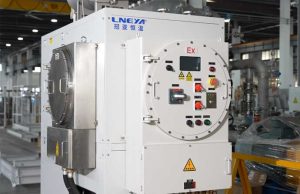
Explosion isolation chillers seal electrical parts to prevent sparks in hazardous areas, ensuring safe cooling for chemical, pharma, and oil sites.
View details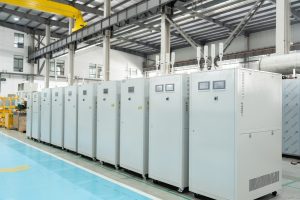
Chiller specifications like cooling capacity, temperature range, flow rate, and compressor type directly impact uptime, efficiency, and product quality.
View details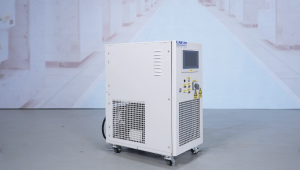
Portable chillers suit small, flexible setups, while central chillers serve large plants with higher efficiency. Learn key differences before choosing.
View details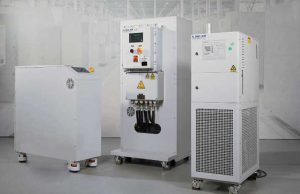
Chillers generate cold water for precise cooling below ambient, while heat exchangers passively transfer heat between fluids without mixing.
View details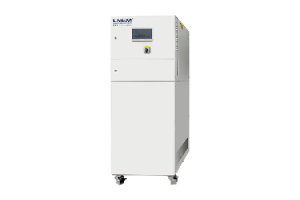
Chiller and chiller heater systems differ in function, cost, and temperature range. Compare both to choose the best cooling and heating solution.
View details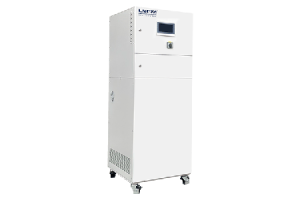
Split chillers and integrated chillers differ in design, installation, noise, and cost. Compare specs to choose the right cooling solution.
View details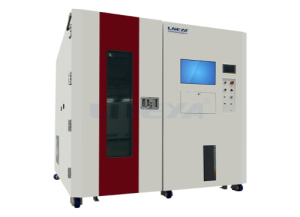
Aging test chambers simulate long term wear in controlled conditions, helping engineers evaluate reliability of materials, electronics, and coatings.
View detailsWater cooled chiller lifespan typically runs 15–20 years. Proper maintenance, operation, and water treatment extend performance and reliability.
View details
