 LNEYA Industrial Chillers Manufacturer Supplier


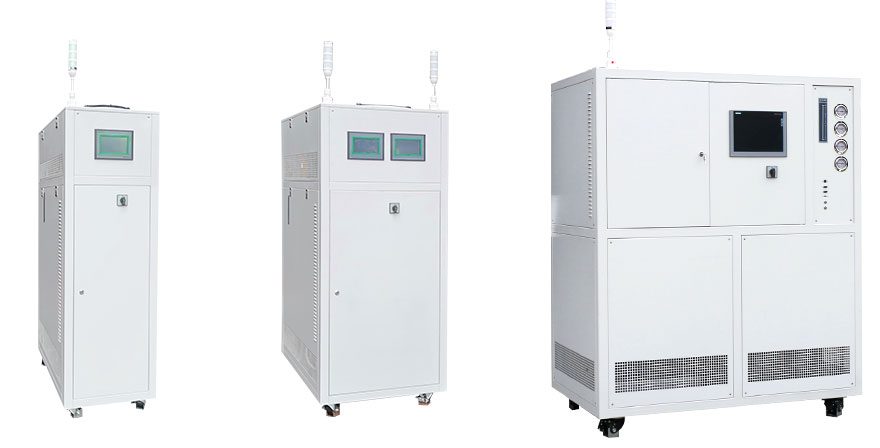
Vehicle/Battery Testing Thermal Control System Chiller
Widely used in the field of new energy vehicles, suitable for the new generation of energy battery packs, which can effectively test the super environmental adaptability of the battery packs, improve the safety and reliability of the vehicle, and ensure the good performance of the vehicle in various complex environments. The products are widely used in motors, battery packs, extreme performance tests, rapid temperature rise and fall thermal shock tests, and comprehensive environmental adaptability evaluation tests.
Temperature simulation for vehicle quality test: battery life test, fuel injector/motor test bench, airbag test, component test bench, etc. It can simulate the external environmental conditions in the climate chamber or replace the internal system, which can create the necessary actual temperature conditions for the test bench.
ADVANTAGES
Conventional Equipment
Temp. control
Pressure control
Flow control
Multiple Device Connection (T)
Temp.control
Pressure control
Flow control
Multiple Device Connection(S)
Consistent temp. control
Pressure control
Flow control
Temperature control and flow control system (Support Customization)



Normal Temperature KRY series
KRY 0℃~+100℃ (1to2)
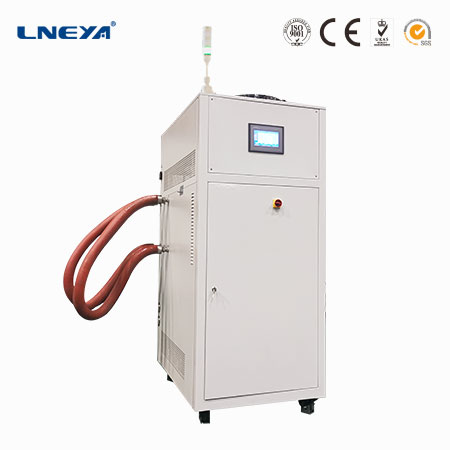
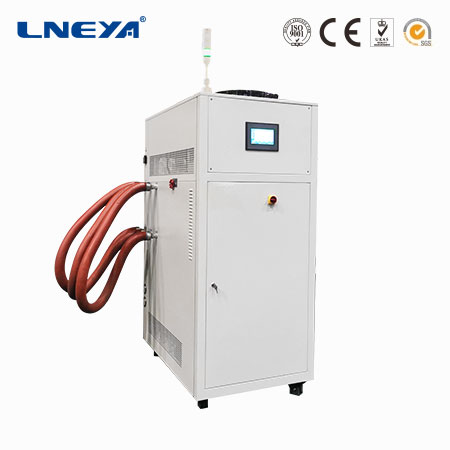
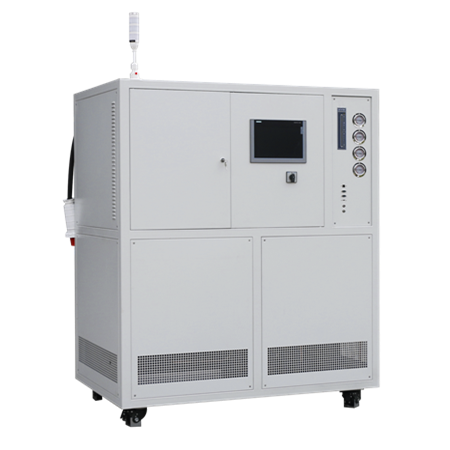
Temperature range is 0℃~+100℃, which can be extended to +135℃ according to the actual situation, and the temperature control accuracy is plus or minus 0.5℃. The equipment can control the flow and pressure independently …
KRY 0℃~+100℃ (1to3)
Test temperature of main test items of vehicle electronics: IC test conditions for locomotives: -40℃~125℃, wind blowing, sun exposure, high vibration; Instrument panel operation te…
KRY 0℃~+100℃(1&6)
Temperature simulation for vehicle quality test: battery life test, fuel injector/motor test bench, airbag test, component test bench, etc. It can simulate the external environmental conditions in the climat…
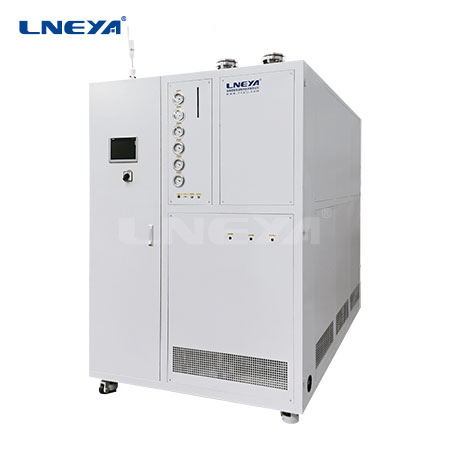
KRY 0℃~+100℃ (1to1)
Temperature range is 0℃~+100℃, which can be extended to +135℃ according to the actual situation, and the temperature control accuracy is plus or minus 0.5℃. The equipment can control the flow and pressure independently whil…
loading…
已经是到最后一篇内容了!
Low Temperature KRY series
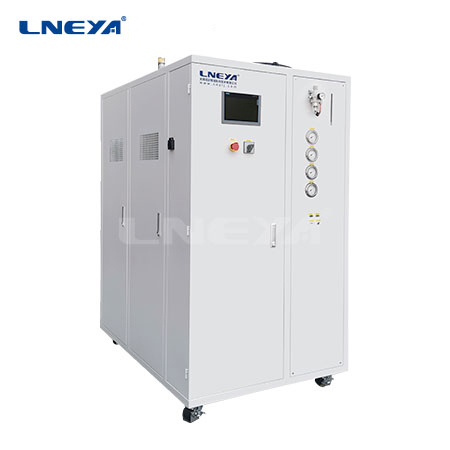
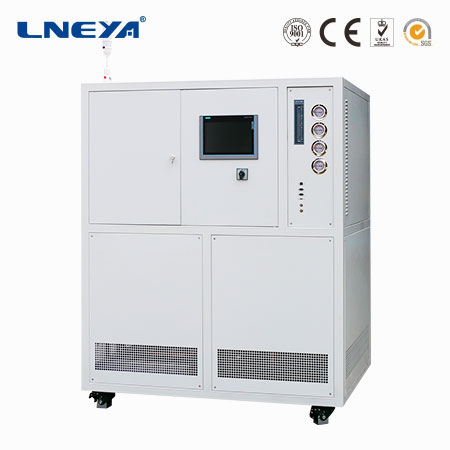
KRY -40℃~+100℃ (1to6)
The components are cooled and heated internally through ethylene glycol aqueous solution for testing -40 ° C~100 ° C (expandable to 150 ° C) For the power battery charging management, the precision …
KRY -40℃~+100℃ (1to1)
Refrigeration, heating, temperature control, flow control Connect the tested object to a testing platform adapterThe components are cooled and heated internally through ethylene glycol aqueous solution for testing. …
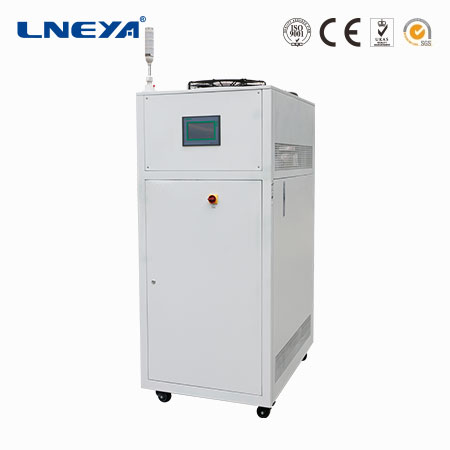
KRY -40℃~+100℃ (1to2)
Temperature range is -40℃~+100℃, which can be extended to +135℃ according to the actual situation, and the temperature control accuracy is plus or minus 0.5℃. Theequipment can control the flow and pressure independently while c…
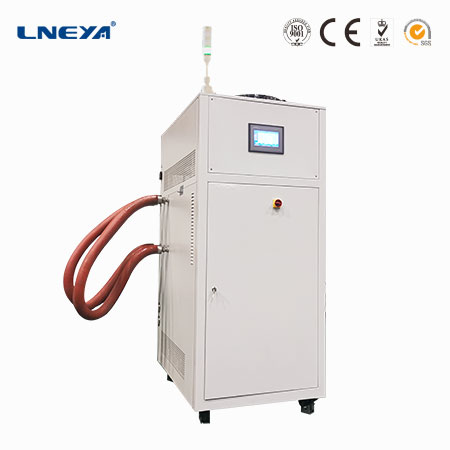
KRY -40℃~+100℃ (1to3)
Dimension(A) cm Temperature range is -40℃~+100℃, which can be extended to +135℃ according to the actual situation, and the temperature control accuracy is plus or minus 0.5℃. Theequipment can control the flow and…
loading…
已经是到最后一篇内容了!
Battery Test Thermal Chamber
- More
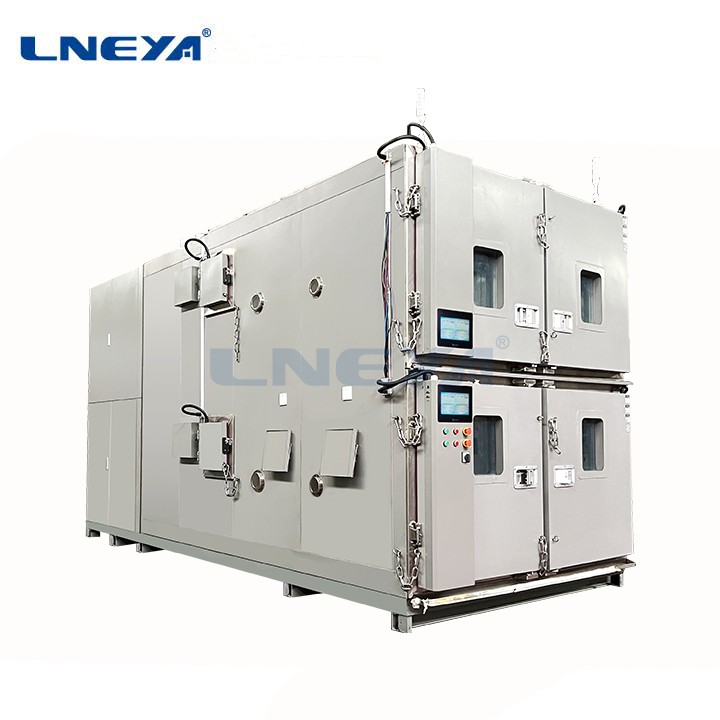
New energy battery chamber
Environmental Chamber Provides -45°C~100°C Large observation window allows real-time observation of test conditions in the box and timely adjustments. Integrated system provides new energy power battery samplesHigh temper…
loading…
已经是到最后一篇内容了!
Environmental Chamber Provides -45°C~100°C
Temperature Control During Testing Of New Energy Vehicle Components
Descriptions
Equipped with a powerful circulation pump, while ensuring the delivery of high viscosity liquids.
Proportional control valve is used to control the flow output, and the total range accuracy control is adjusted by 5%~100%.
A closed circulation system is adopted to avoid the chance of antifreeze contacting with the outside air and to ensure that there is no condensation of moisture. The expansion tank is protected with nitrogen, and the temperature range of the hot liquid will be extended because its boiling point has been increased. In addition, the oxidation of the hot liquid in contact with the oxygen in the environment is avoided, thereby prolonging the service life of the hot liquid.
Siemens 7-inch large color screen provides clear and comprehensive important data information, including important information such as data, drawing lines and notes.
The touch interface optimizes the usability of the device. Multi-level users can be password protected. The specified operator has limited privileges and can only accept settings. This avoids accidental modification and mishandling of parameters. Continuously monitor operations. Warnings and faults are clearly displayed and the system shuts down automatically if necessary. Failures can be traced so testing does not have to start over. At this point, the existing record will be recalled. The system has a variety of data and communication channels that can be tailored to specific applications. The temperature control unit can also be controlled remotely via the network or included in the control system.
Applications
The new energy vehicle component test unit is mainly used for the offline detection of the drivemotor of the new energy vehicle according to relevant test standards and requirements, it cantest and simulate the performance requirements of motor in actual vehicle operation.
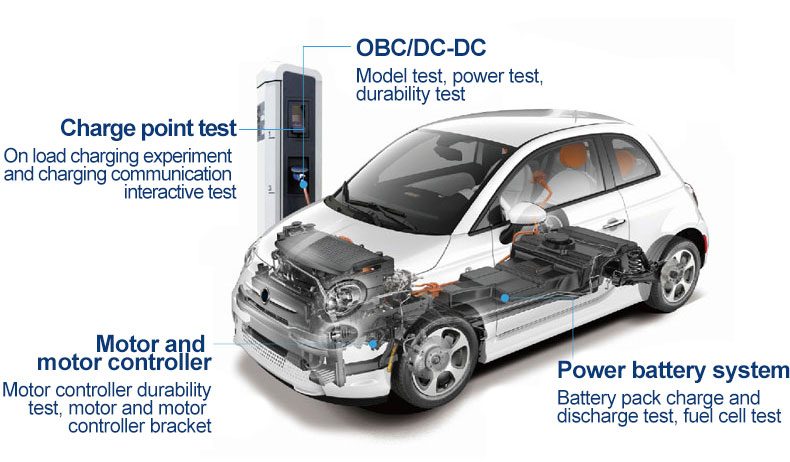
Test temperature of main test items of vehicle electronics:
IC test conditions for locomotives: -40℃~125℃, wind blowing, sun exposure, high vibration;
Instrument panel operation test test conditions: -40℃~85℃;
Motor controller test conditions: operating test temperature: 40 ℃ ~ 110 ℃;
Satellite positioning (GPS) Test conditions: high temperature operation test temperature: 85℃; low temperature operation test temperature: -40℃;
Compound vibration: -40℃~80℃;
Obviously the best solution is for the test house to have temperature simulation system equipment.
Contact LNEYA®
Submit your request to us and we will contact you within 24 hours
Recommended products
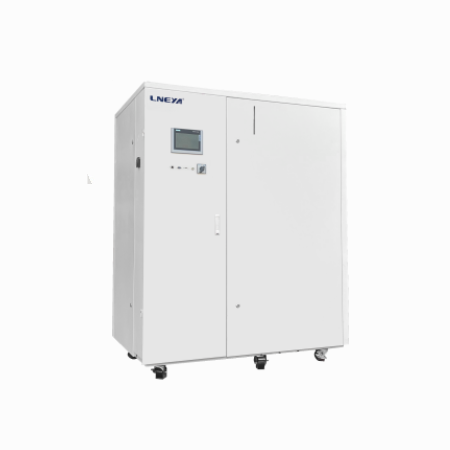
Low Temp/Normal Temp Chillers (Biochemistry Pharmaceutical Process)
Temperature Control :-5℃~-150℃
Temperature control for Various reactors, distillation or extraction systems, laboratories, research institutes, chemical, pharmaceutical, petrochemical, biochemical, medical, hospital, research and development workshops, semiconductor testing, aerospace, biology.
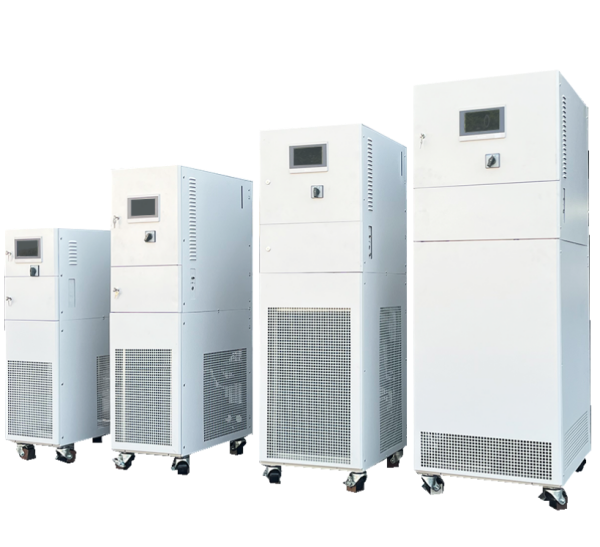
Dynamic Temperature Control Systems (Biochemistry Pharmaceutical Process)
Temperature Control :-120℃~350℃
Temperature control for high pressure reactor;Double-layer glass reactor;Double-layer reactor;Microchannel Reactor;Distillation system;Material aging test;Vacuum chamber etc.

Control Temperature Control Flow Systems(Vehicle/Battery Pack Test)
Temperature Control: -40℃~100℃
Temperature simulation for vehicle quality test: battery life test, fuel injector/motor test bench, airbag test, component test bench, etc. It can simulate the external environmental conditions in the climate chamber or replace the internal system, which can create the necessary actual temperature conditions for the test bench.
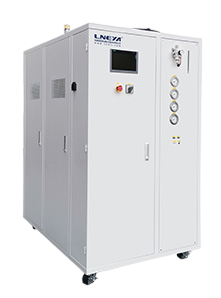
Cooling Heating Systems (Semiconductor Production)
Temperature Control: -85℃~250℃
Suitable for semiconductor process wet washing, photolithography, etching, chemical meteorological deposition, physical meteorological deposition, and the electronics industry (photolithography process)
