LNEYA Industrial Chillers Manufacturer Supplier


The existence of distillation and temp. control during distillation–SUNDI dynamic temp. control
Distillation exists in industries such as biopharmaceutical and petrochemical industries. Laboratory distillation includes vacuum distillation, short-path distillation, thin-film distillation, steam distillation, batch distillation, azeotropic distillation, industrial distillation (multi-effect distillation), etc.
Then, temperature control must be performed in the distillation treatment step. However, temperature control is only one of many process variables in pressure, flow rate and composition in distillation, and it is also a critical variable. Keep the condenser low temperature in the distillation equipment in order to extract the required components.
For example, in the extraction of hydrocarbons, temperature measurement is a common control parameter in the process of distillation cooling and heating. Depending on the application and process fluid, temperature control can be used to cool the distillate to condense highly volatile products into the liquid phase, or to heat the process fluid to evaporate highly volatile components to facilitate separation.
The unit installation will first connect the heating circulator/ chiller to the inlet and outlet on the short path. After connecting, set the temperature to 50 °C. Once the temperature reaches 50 degrees Celsius, increase the temperature of the mantle to 140 °C. At this point you may see some reactions in your head, and your cold trap is probably dripping. As the mantle heats up, the heat transfer from the mantle to the boiling flask will be most prominent, and you may see the temperature of the head thermometer change quickly. Allow the mantle to heat to about 10 °C below the set temperature. The gradual increase in temperature will prevent mantle overshoot. After the temperature of the mantle reaches 130 °C, set the temperature to 220 °C. (Some materials may require a slightly higher temperature to complete the distillation. Temperatures above 250 °C should be avoided.)
Distillate distillate cooling is usually accomplished by several methods: fin fan cooling, refrigeration or cooling tower. In addition to the cooling process of the distillate, the heating process is also involved in processing the distillate. In chemical processes, fractional distillation or distillation columns are used to separate the mixture into its constituent parts or fractions. The score is based on the difference in volatility (ie boiling point).
If you have multiple processes that require heating and cooling, it may be a better choice to purchase a chiller with a larger temperature range that can both heat and cool.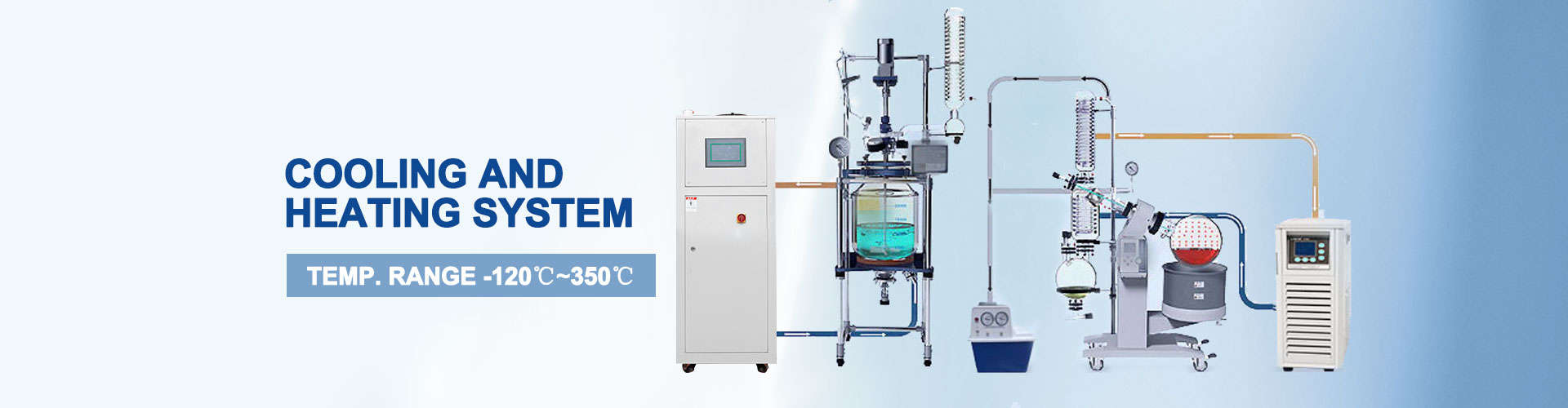
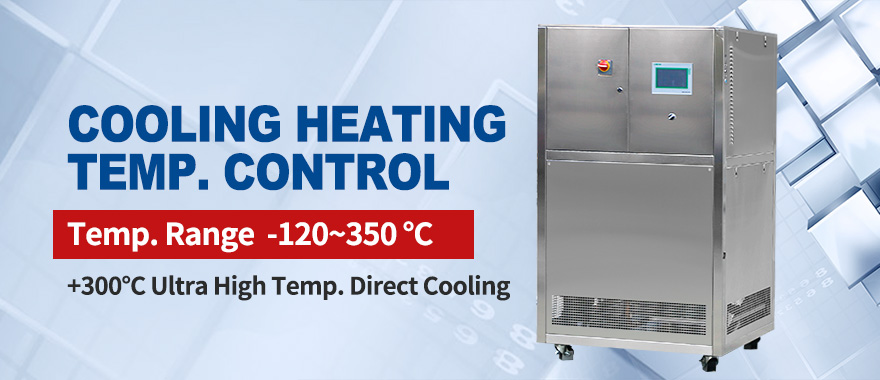
The SUNDI dynamic temperature control system is used for stress testing of mechanical or electronic components or temperature-related testing of cosmetics and materials, as well as simulation of environmental conditions and aging processes. The temperature range is -120 ℃ to 350 ℃, with various reactors, reactors, steam systems for temperature control.
Another important point is to choose a suitable thermally conductive medium to ensure the stable operation of the system. It is very important to choose the right medium according to the operating temperature of the system. The SUNDI dynamic temperature control system adopts a fully-closed tube design and adopts a high-efficiency plate heat exchanger, which reduces the need for heat transfer fluid, improves the heat utilization rate of the system, and reaches a rapidly elevated temperature. The heat-conducting medium in the closed system, with a container, expands the circulation of the heat-conducting medium and does not participate in the container. Whether the temperature is high or low, the temperature of the expansion tank is raised to room temperature to 60 degrees, which can reduce the absorption and moisture of the heat-conducting medium during operation. Risks. Because temperature control involves product quality, process optimization and stability, which improves plant safety and reduces process energy costs.
If you have a need for biochemical process cooling and heating, you can come to LNEYA for more in-depth consultation, contact (86) 13912479193 or email sales@lneya.com
Related recommendations
-

-
Application of Laboratory Heating and Refrigeration Equipment
862Refrigeration Heating Equipment use in Labotrtory
View details -
What to consider when purchasing an oil-cooled motor power cooling system?
966Purchasing objects is nothing more than based on several types of methods: inquire with people around you, search and consult on the Internet by yourself, so that you can avoid some detours. 1. Parameter requirements: Ordering from the Internet is...
View details -
Precautions for the use of chemical refrigeration and heating circulation systems
1032In chemical production, the reaction will generate heat, which will cause the heat to be uneven. If it is not discharged in time, it will increase the temperature in the kettle and cause danger. The existing heating system of the reactor is relati...
View details