LNEYA Industrial Chillers Manufacturer Supplier


Why do machine tool spindles require chillers?

The main reasons why machine tool spindles require a chiller are as follows:
Temperature Control:
During the machining process, the spindle generates a large amount of heat due to high-speed rotation. If not controlled, this heat will cause the spindle temperature to rise, affecting machining accuracy. The chiller absorbs and carries away heat by circulating coolant (usually water or a mixture of water and antifreeze), keeping the spindle within a suitable working temperature range, thereby ensuring machining accuracy and surface quality.
Extend service life:
High temperatures can accelerate the wear of spindle bearings and other components, shortening their service life. The use of chillers can effectively control temperature, reduce thermal expansion and stress, extend the service life of the spindle and its components, and reduce maintenance costs.
Improving efficiency:
A stable temperature environment can improve processing efficiency, avoid processing interruptions or decelerations caused by overheating, and ensure continuous and efficient production.
Protective equipment:
High temperatures may also affect other components of the machine tool, such as electrical components, lubricating oil performance, etc. The use of chillers helps maintain the thermal balance of the entire machine tool system and protects sensitive components from thermal damage.
Environmental Adaptability:
In different seasons or ambient temperatures, the chiller can adjust the cooling needs of the spindle to ensure stable operation of the machine tool under any conditions.
Improve Machining Quality:
Especially in precision machining and high-speed machining, small temperature changes can affect dimensional accuracy and shape accuracy. The precise temperature control capability of the chiller is crucial for improving the consistency of the workpiece and reducing the scrap rate.
In summary, the application of chillers in machine tool spindles is an important means to ensure machining accuracy, improve production efficiency, extend equipment life, and ensure product quality.
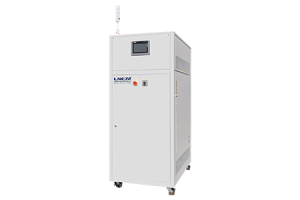
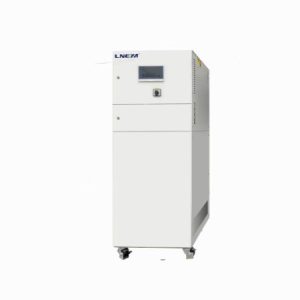
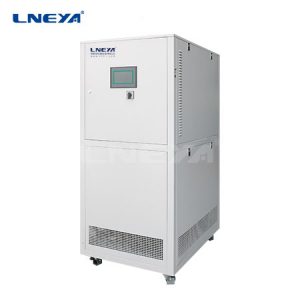
Machine Tools Spindle Chiller water chiller oil chiller
- MORE
LT -45℃~30℃
LOW TEMPERATURE COOLING CIRCULATOR For fast liquid cooling 1. Can use ethylene glycol mixed with water for circulating refrigeration, saving resources 2.Circulating pipeline design, prolong t…
- MORE
LT -25℃~30℃
Rapid refrigeration using imported brand semi-enclosed piston compressor, semi-enclosed piston two-stage compressor, semi-enclosed screw compressor 1. Can use ethylene glycol mixed …

loading…
已经是到最后一篇内容了!
loading…
已经是到最后一篇内容了!
Related recommendations
-

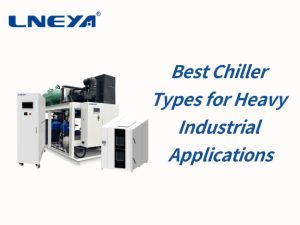
Best Chiller Types for Heavy Industrial Applications
663Discover how to choose the best heavy industrial chiller for your plant. Learn the key differences between air-cooled, water-cooled, oil, and glycol chillers, plus expert tips for maximizing efficiency, reliability, and cooling performance in dema...
View details -
Why Choose an Oil Chiller for High-Temperature Applications
893Oil chillers handle high-temperature processes up to 300°C with stable, corrosion-free cooling. Learn why oil chillers outperform water chillers.
View details -
When Do You Need an Oil Chiller
1369Oil chiller solutions for industrial cooling and lubrication. Improve temperature stability, reduce maintenance, and extend equipment life.
View details -
What is a reducer oil cooling chiller?
1336A reducer oil-cooling chiller is a device specifically used to cool a reducer (gearbox) to ensure that it maintains the appropriate temperature during operation. This cooling system is very important to prevent overheating, extend the life o...
View details